
Art Monthly 494
March 2026
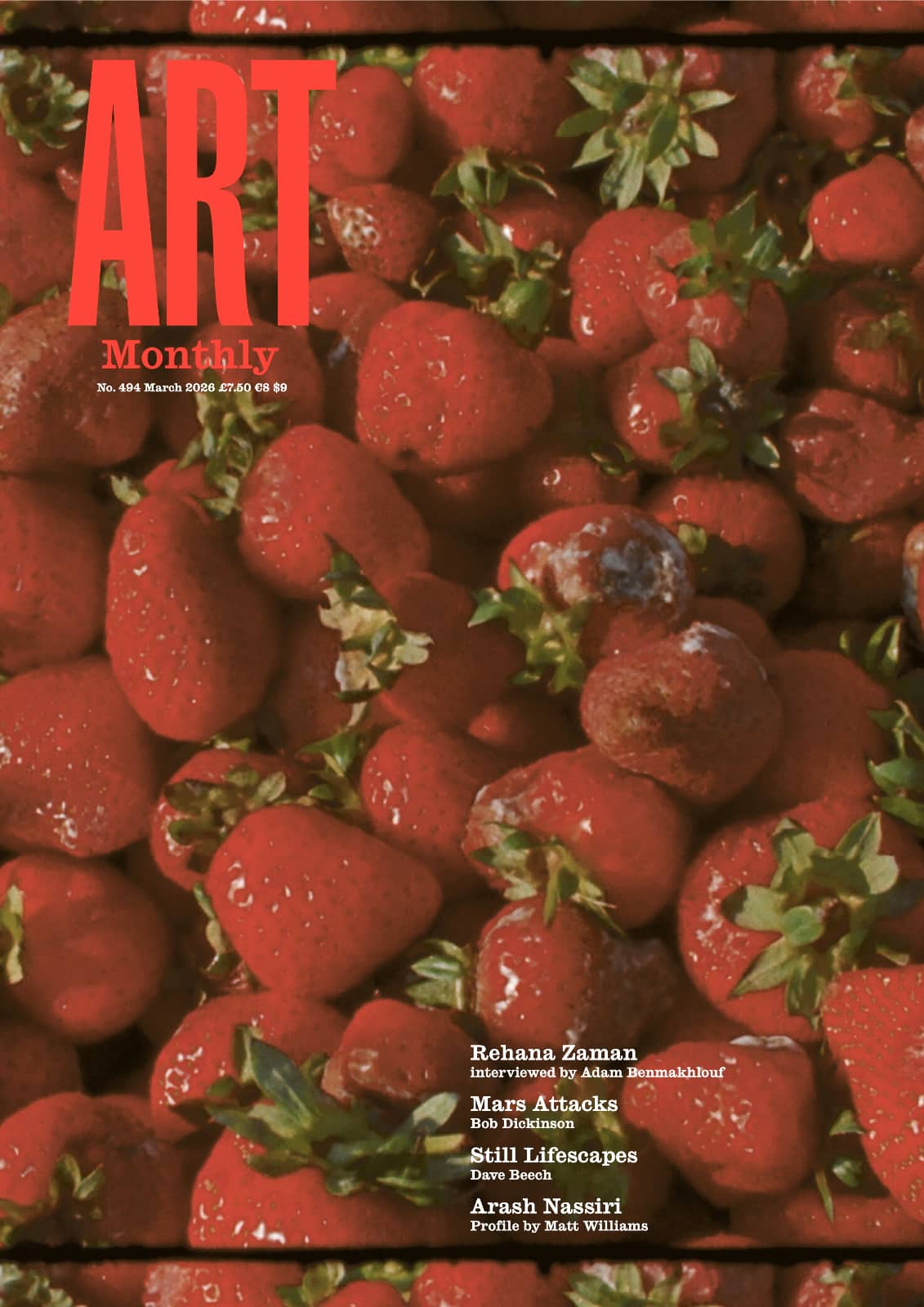
Rehana Zaman
interviewed by Adam Benmakhlouf
Mars Attacks
Bob Dickinson
Still Lifescapes
Dave Beech
Arash Nassiri
Profile by Matt Williams
Buy Now – select:
Want to read this right now?
Get instant access to the entire back catalogue via Exact Editions from only £8.99!
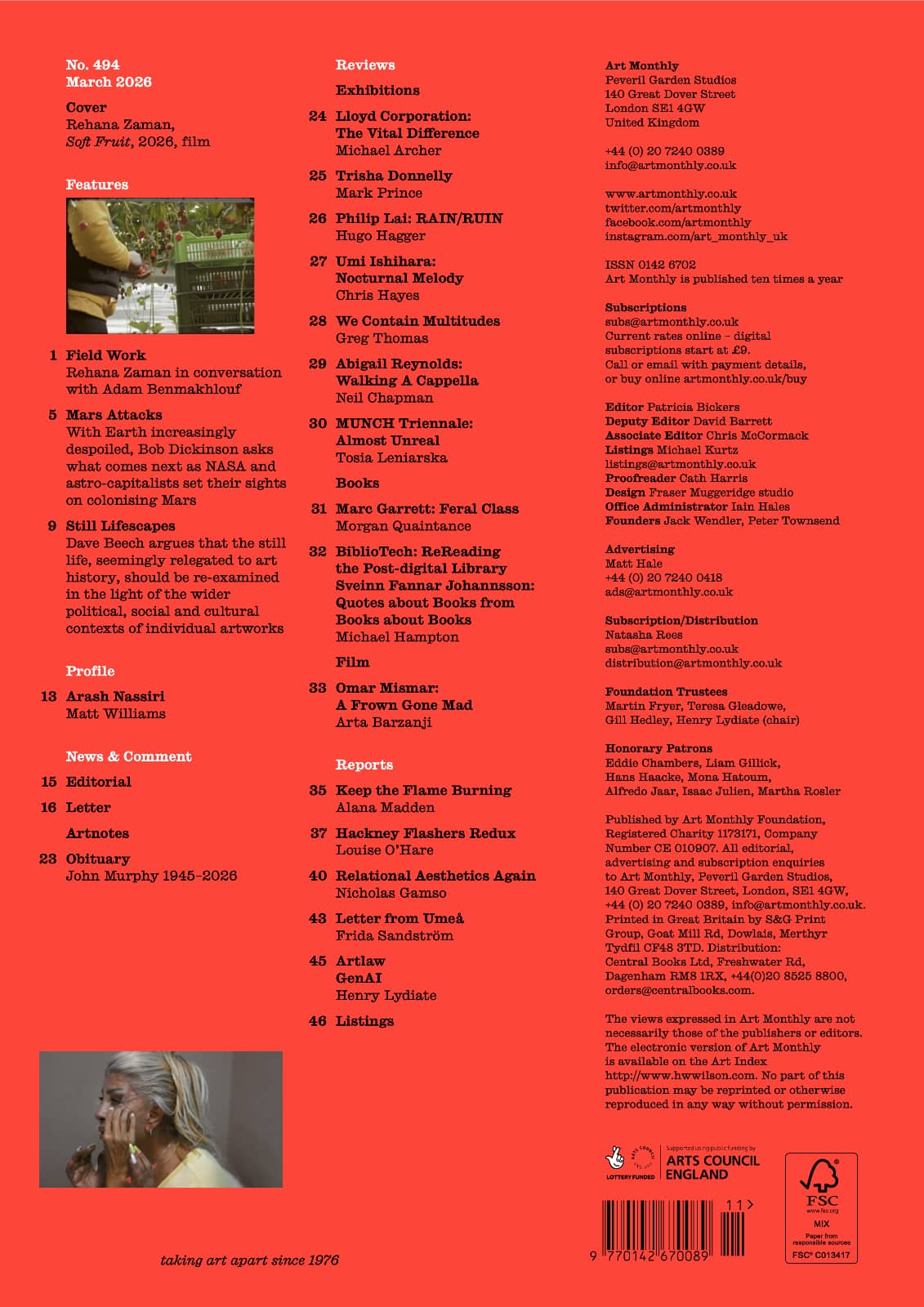
Contents
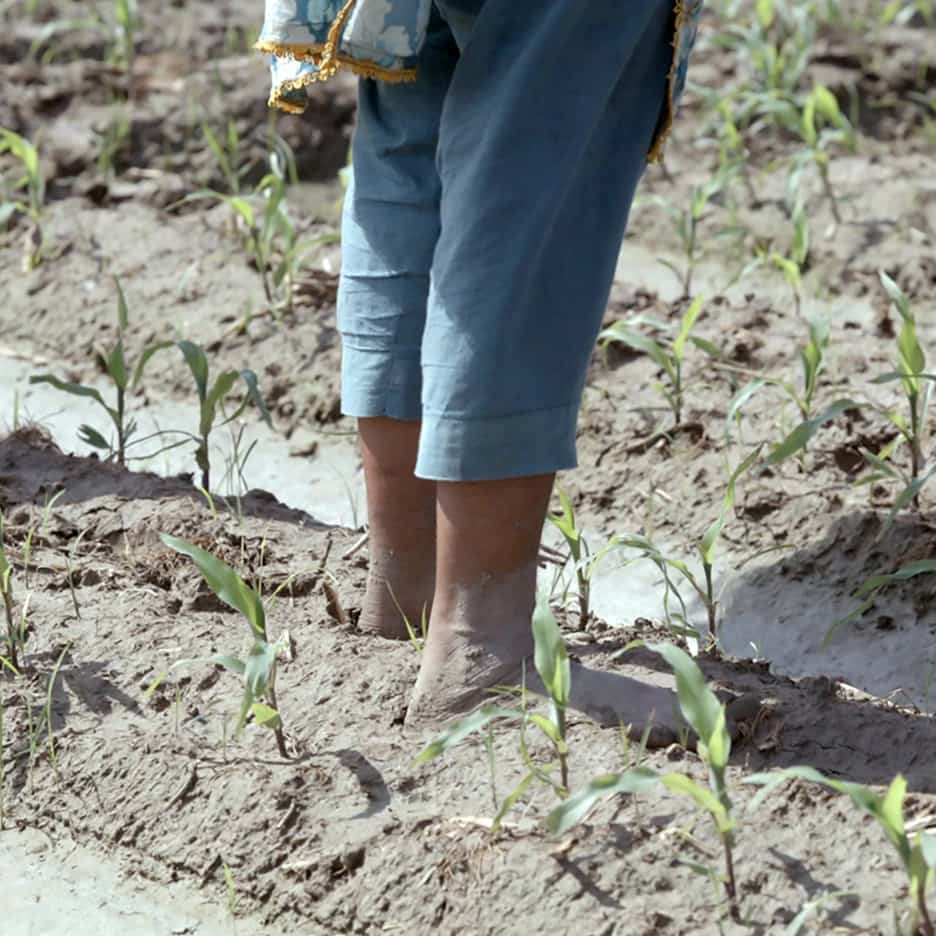
Rehana Zaman, Jo Kherray So Khaey, 2026
Interview
Field Work
Rehana Zaman interviewed by Adam Benmakhlouf
I was conscious of the ease with which renderings of the landscape can so easily become bucolic or romanticised – the trope of the simple rural ways of living that obscures the continual displacement and expropriation of land in the interests of capital.
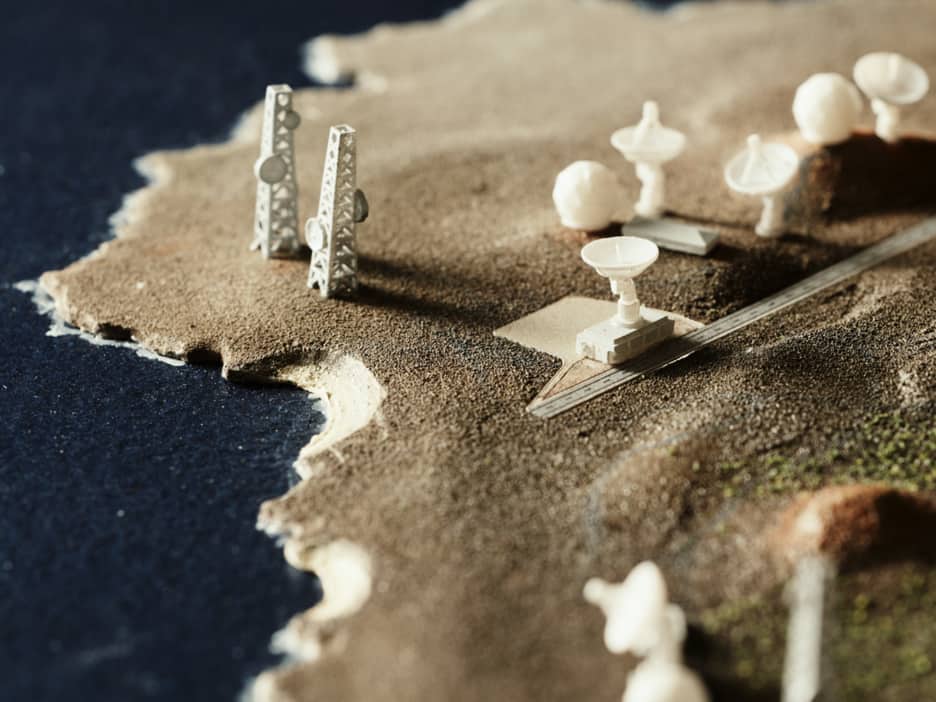
Jonas Staal, Empire’s Island, 2023
Feature
Mars Attacks
With Earth increasingly despoiled, Bob Dickinson asks what comes next as NASA and astro-capitalists set their sights on colonising Mars
Ailton Krenak has been quoted as actually welcoming the idea of humans colonising planets like Mars because it might enable the Earth to be ‘left to us’, meaning, of course, indigenous peoples.
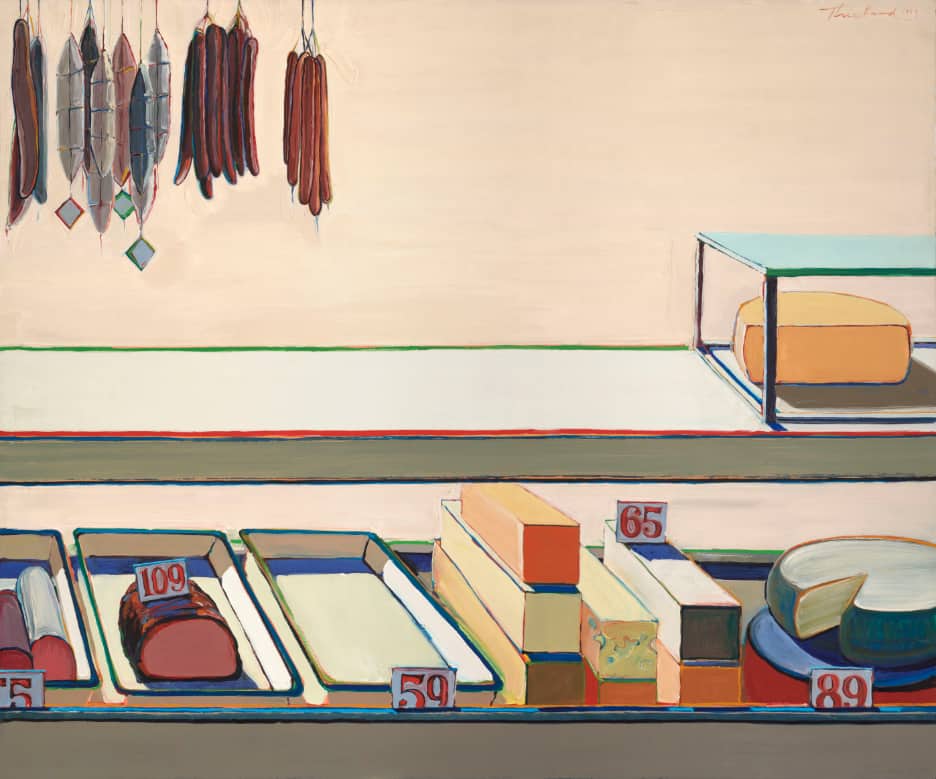
Wayne Thiebauld, Delicatessen Counter, 1963
Feature
Still Lifescapes
Dave Beech argues that the still life, seemingly relegated to art history, should be re-examined in the light of the wider political, social and cultural contexts of individual artworks
A fully realised still lifescape would not only include the makers of the objects represented in still life and the communities which provide their raw materials, those who prepare the dinner or banquet and clean up after it, and the printers and paper makers of the books and manuscripts; it would also extend to the infrastructures, ecologies, histories, systems and structures that reproduce the divisions of labour, modes of exchange and spatial configurations that are presupposed in still lifes.
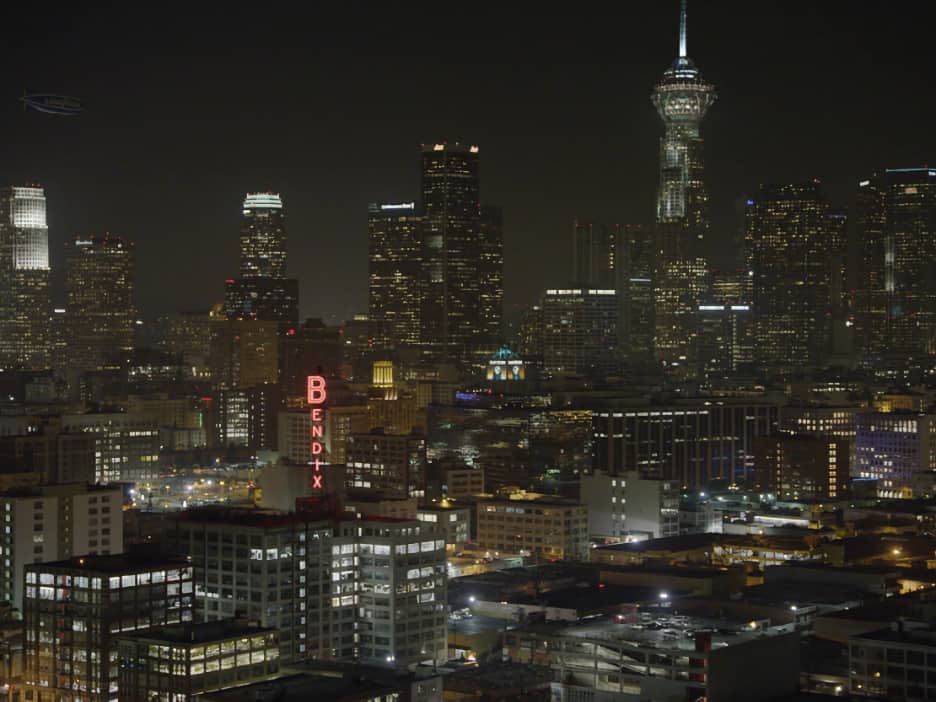
Arash Nassiri, Tehran-geles, 2014
Profile
Arash Nassiri
Matt Williams
Architecture that once declared authority becomes a stage for vulnerability. Across these films, night remains method. Illumination clarifies and distorts in equal measure.
Editorial
Shining a light
Despite recent closures by cash-strapped local councils, the public library remains one of the Victorian era’s most cherished civic institutions, strongly supported by communities all over the country and across all social strata.
The upshot of many of these Victorian reforms was that, for the first time the working class had both access to education and a measure of free time, a development which caused a degree of moral panic among the leisured middle class.
Letter
Conflict of Interest?
Julian Eleison raises ethical questions over the connections between prize winners and jurors.
Artnotes
CCA Liquidated
Glasgow CCA enters receivership; the National Gallery plans to cut staff to reduce its deficit; striking Tate staff accept an improved pay offer; the Louvre uncovers a decade-long €10m ticket fraud; Epstein revelations force former Whitney director David A Ross to resign from NY SVA; anti-oil campaigners discover that an open letter from museum directors was drafted by a PR company with big oil clients; the British Museum finds itself at the centre of a battle over the word ‘Palestine’ in its displays; Ireland announces its Basic Income for the Arts scheme; a new report highlights class discrimination in the arts; plus the latest on galleries, people, prizes and more.
Obituary
John Murphy 1945–2025
Michael Newman
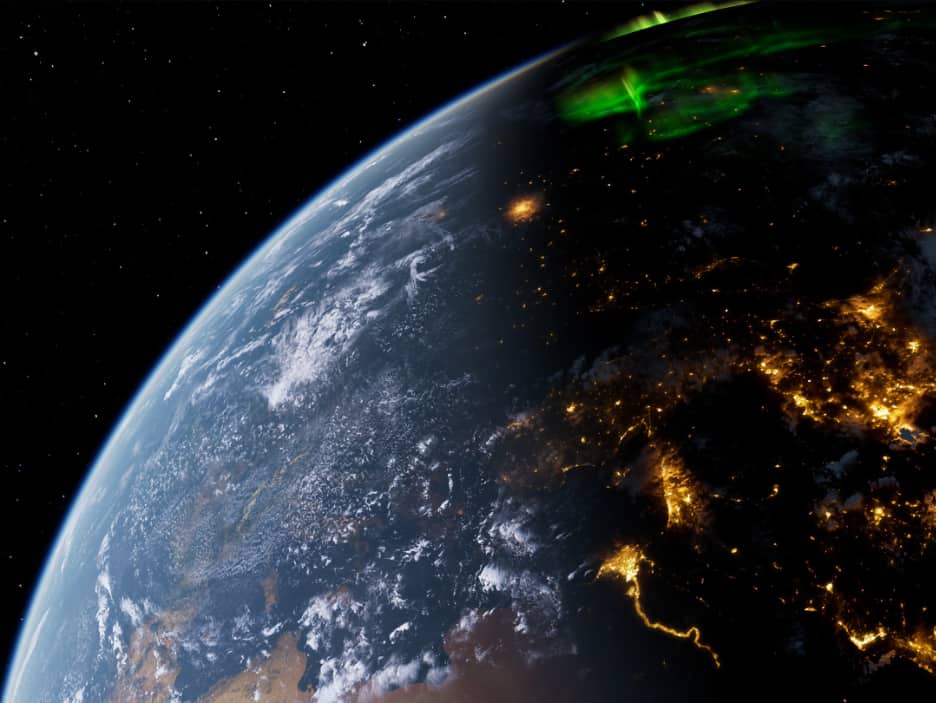
Alice Bucknell, Earth Engine, 2025, ‘MUNCH Triennale: Almost Unreal’, Munch Museum, Oslo
Exhibitions
Lloyd Corporation: The Vital Difference
Carlos/Ishikawa, London
Michael Archer
Trisha Donnelly
MMK, Frankfurt
Mark Prince
Philip Lai: RAIN/RUIN
Spike Island, Bristol
Hugo Hagger
Umi Ishihara: Nocturnal Melody
Gasworks, London
Chris Hayes
We Contain Multitudes
Dundee Contemporary Arts
Greg Thomas
Abigail Reynolds: Walking A Capella
Newlyn Art Gallery and The Exchange, Penzance
Neil Chapman
MUNCH Triennale: Almost Unreal
Munch Museum, Oslo
Tosia Leniarska
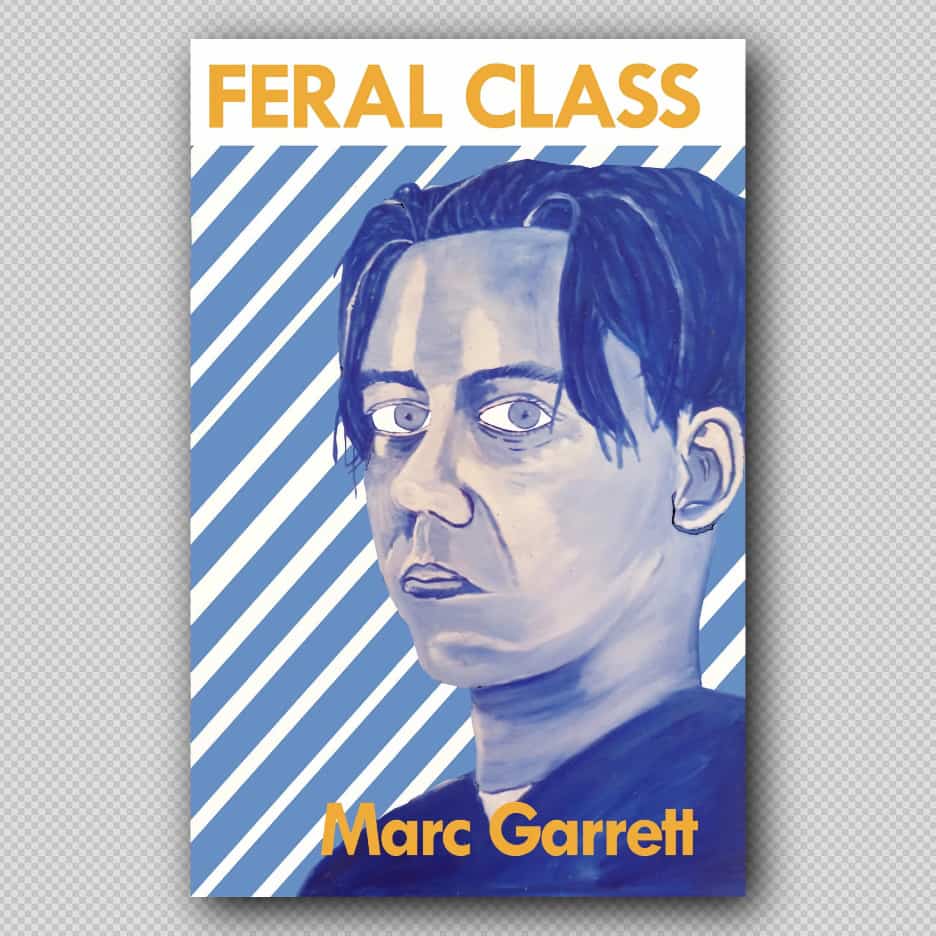
Feral Class cover
Books
Marc Garrett: Feral Class
Morgan Quaintance
The great art institutional swindle is the tacit consensus that conformity is a necessity. Marc Garrett’s Feral Class, a rough-and-tumble memoir of the artist and Furtherfield Gallery co-director’s trajectory from childhood to not-quite-germ-free adolescence, is a defiant two-finger salute to the sanctity of such staid professional orthodoxy.
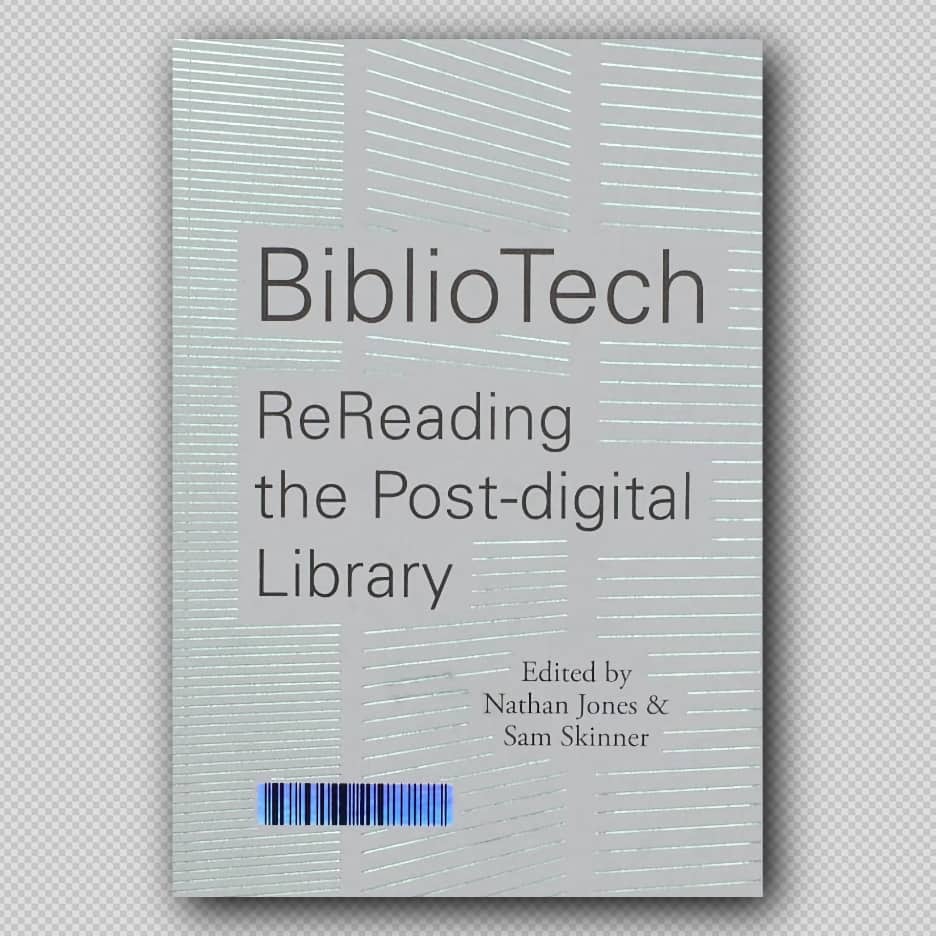
Bibliotech cover
Books
BiblioTech: ReReading the Post-digital Library
Sveinn Fannar Johannsson: Quotes about Books from Books about Books
Michael Hampton
Ironically, the artists’ book might be best equipped to adapt to a technological future where cognition leaves behind its biological substrate and migrates into machinic and software-based environments.
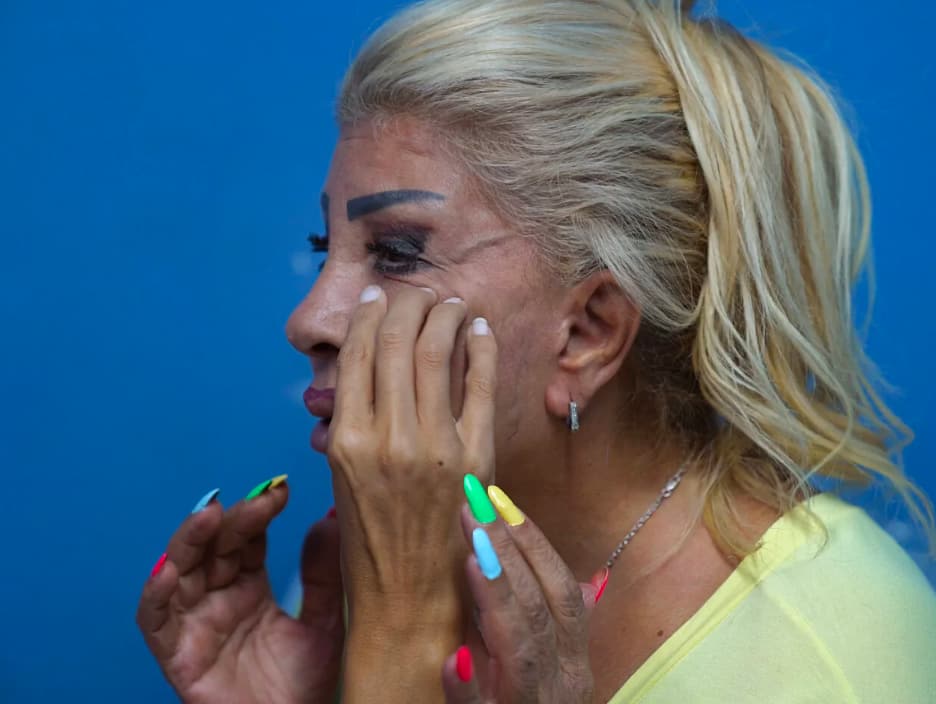
Omar Mismar, A Frown Gone Mad, 2024
Film
Omar Mismar: A Frown Gone Mad
Arta Barzanji
By the end, the face becomes a site of circulation. The Botox neurotoxin circulates under the skin; the face circulates through social media; the feed’s standards circulate back into the face and deeper into self-image.
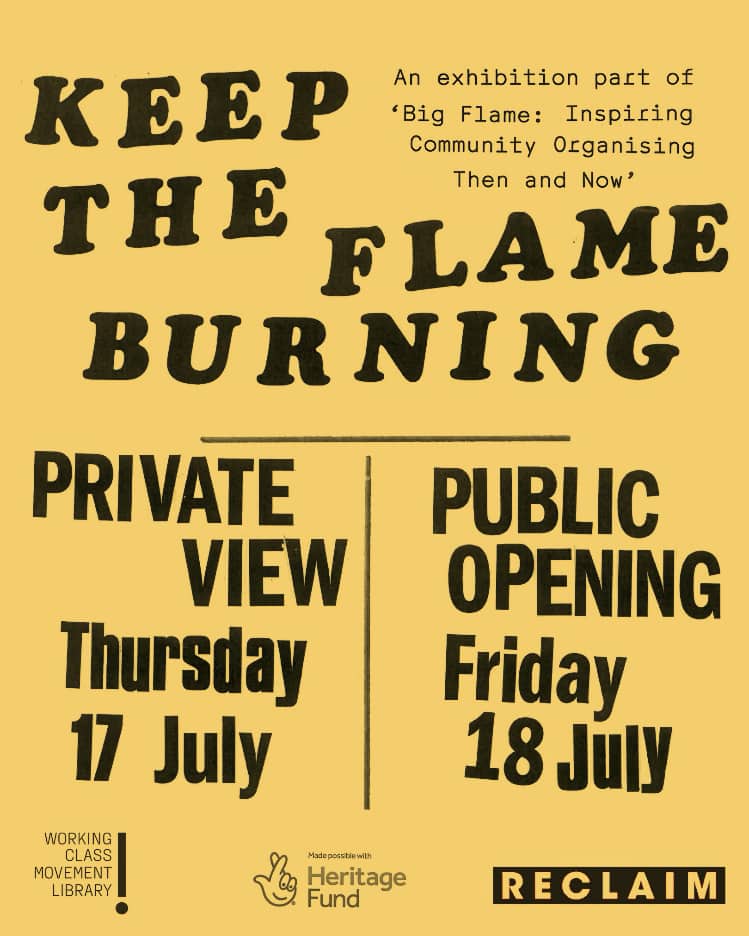
‘Keep the Flame Burning’ leaflet
Reports
Keep the Flame Burning
Alana Madden
Utilising one of the Working Class Movement Library’s many collections, the current exhibition, ‘Keep the Flame Burning’, documents the revolutionary socialist feminist group known as Big Flame. Co-produced with a group of local, working-class 16- to 25-year-olds who call themselves the ‘Little Flames’, the exhibition features ephemera in a range of media including video, oral histories, publications, letters and artworks, all selected and organised by the Little Flames group in relation to their own biographies and concerns.
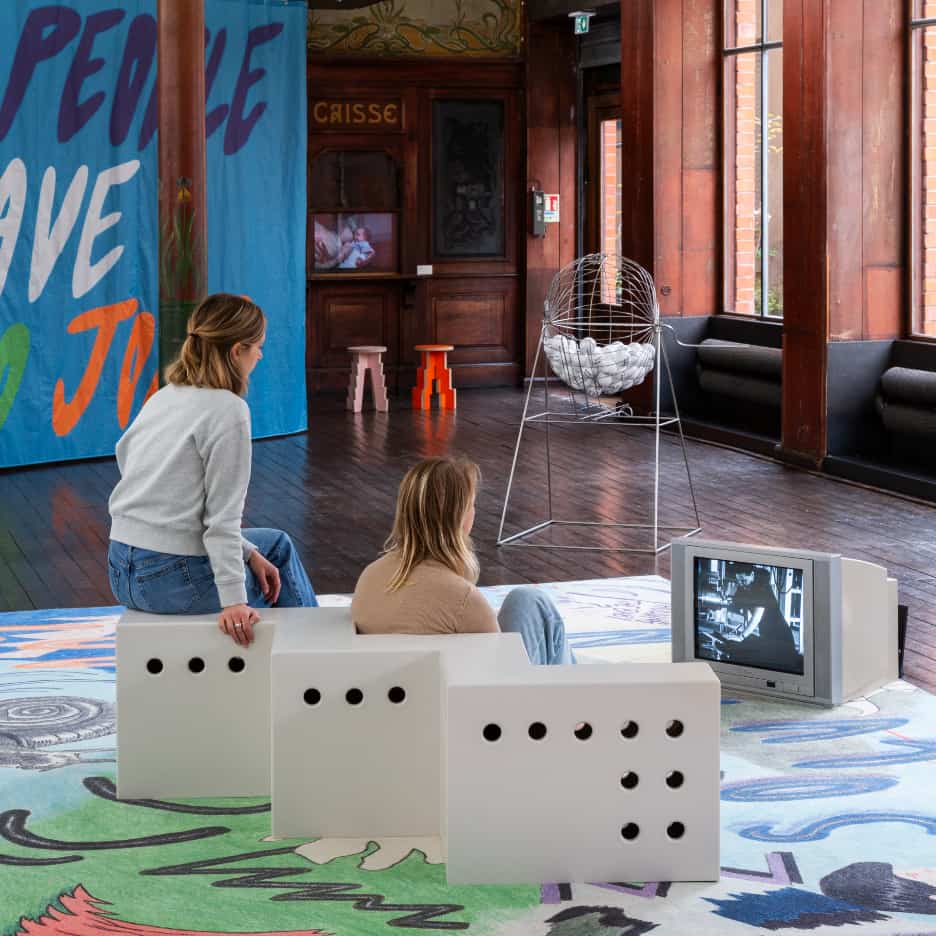
‘Hope for Change. Hackney Flashers, from London to Strasbourg’, CEAAC, Strasbourg
Reports
Hackney Flashers Redux
Louise O’Hare
Camille Richert, the curator of ‘Hope for Change: Hackney Flashers from London to Strasbourg’, explains that the remaining members of the collective only gave permission for an exhibition of their work on the condition that it focus not on them but on the ‘lives of women today’ and the local context.
‘1+1, The Relational Years’, MAXXI, Rome
Reports
Relational Aesthetics Again
Nicholas Gamso
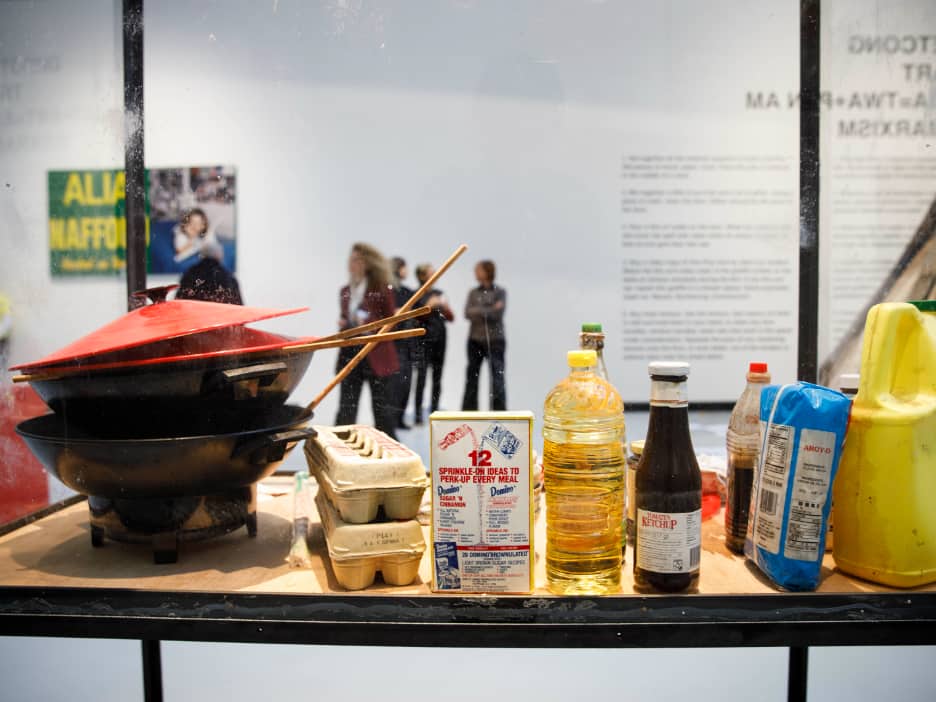
Nicolas Bourriaud’s turn as founding director of the Palais de Tokyo and later as head of the Beaux-Arts were also red flags. He had rejected individualism of a sort, dissing the tortured genius of yore as mere ‘partial enunciator,’ but what of curators? Or museum directors?
‘Art and Truth-Telling’, Bildemuseet, Umeå
Reports
Letter from Umeå
Frida Sandström
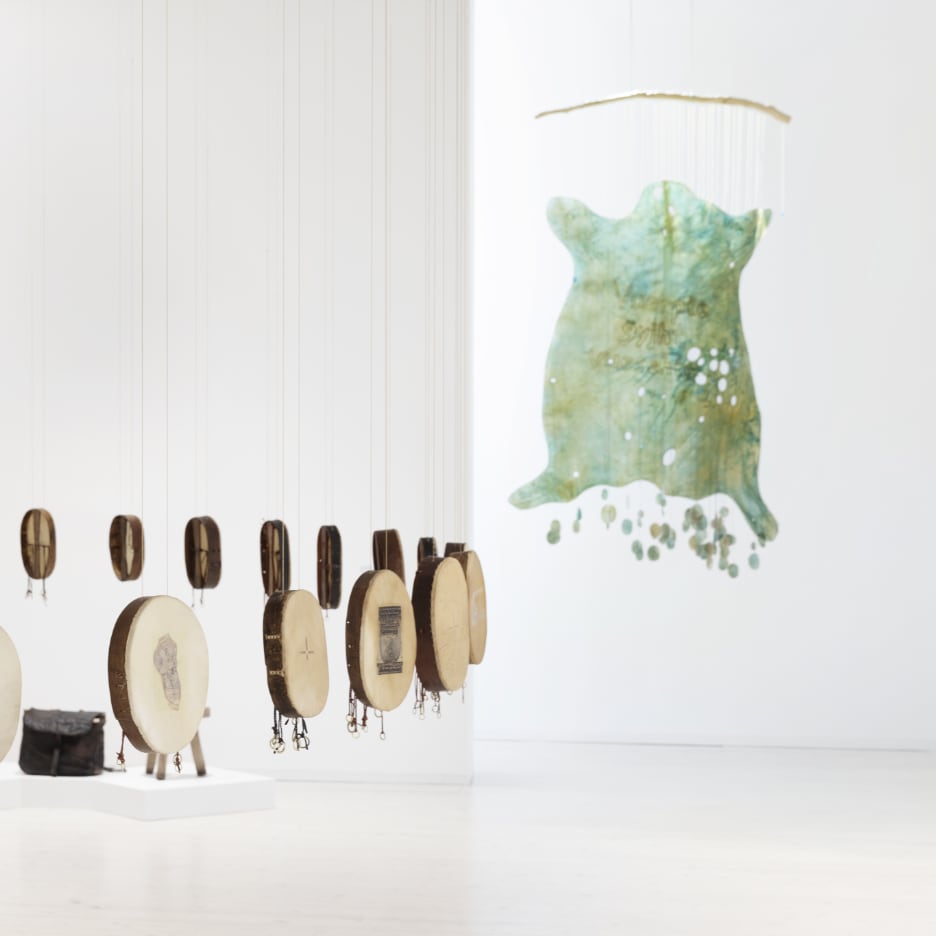
Mountain Sápmi people were left in peace – in that their land was not flooded or mined – whereas the forest Sami people were swiftly pushed out by agriculture, urbanisation and industrialisation or, alternatively, forced to assimilate.
question from DACS and PICSEL survey on generative AI
Artlaw
GenAI
Henry Lydiate
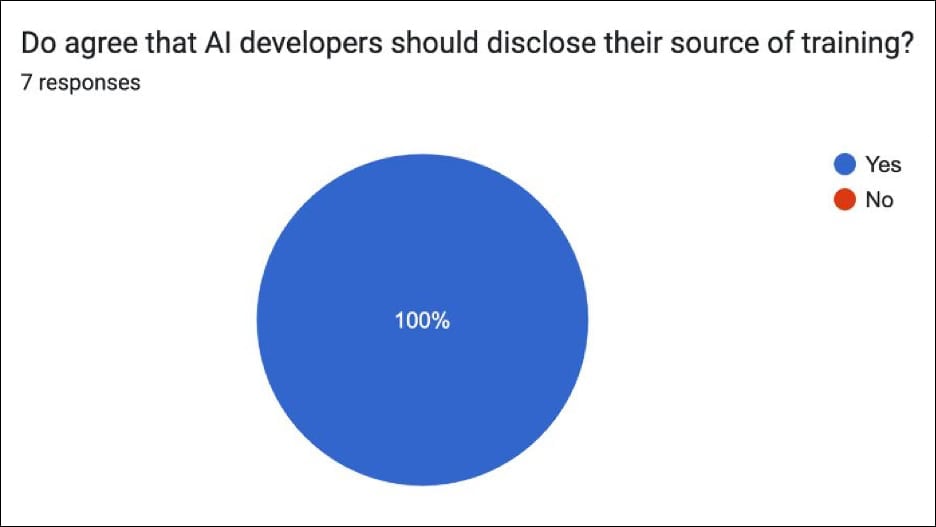
No consensus has yet been reached by countries worldwide on copyright protection for wholly computer-generated work. Rather, there is a patchwork of legislative approaches to the issue, which means that universal enforcement of copyright in such works is problematic.








Peveril Garden Studios
140 Great Dover Street
London SE1 4GW
United Kingdom
Email info@artmonthly.co.uk