Art Monthly 501
November 2026
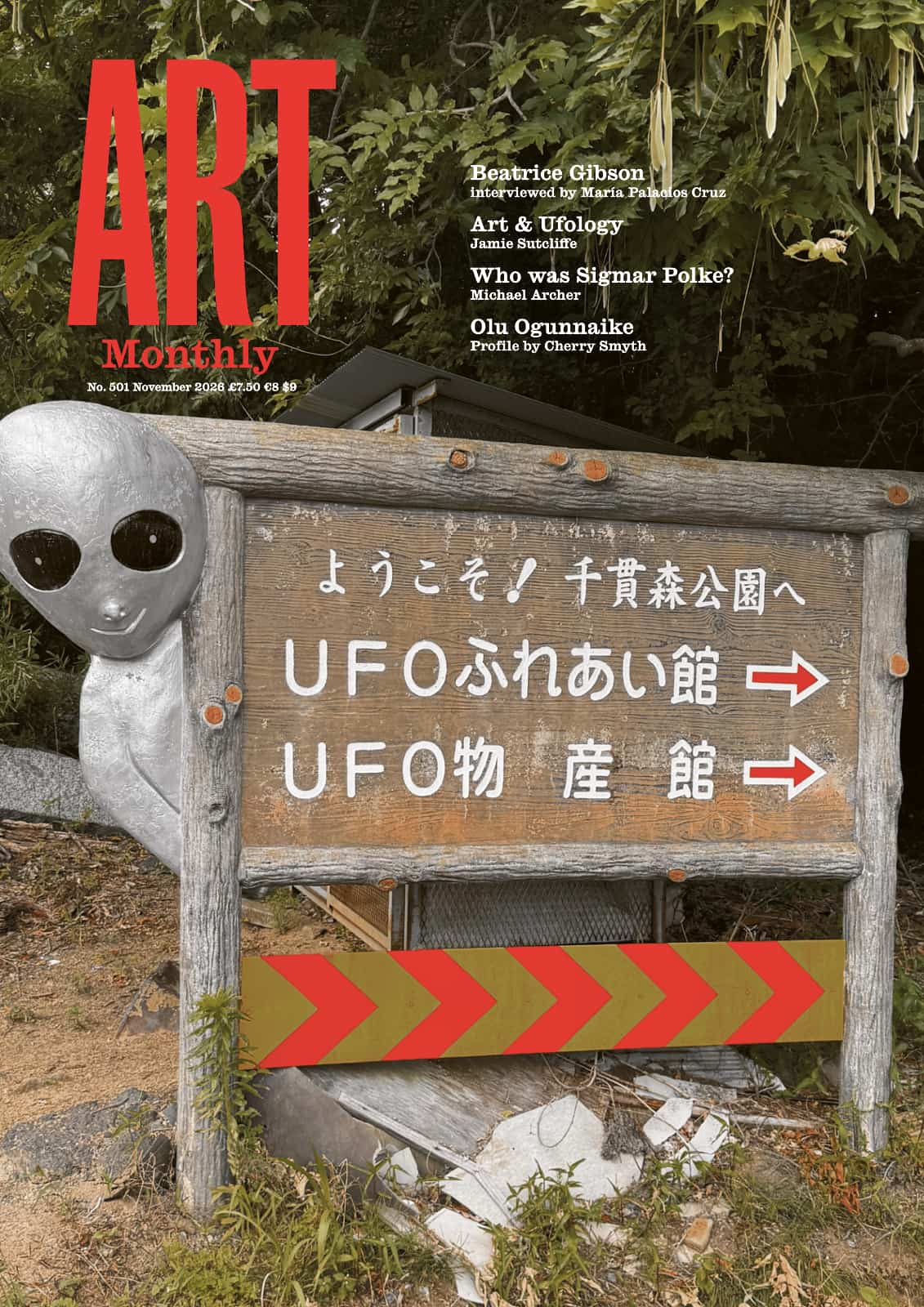
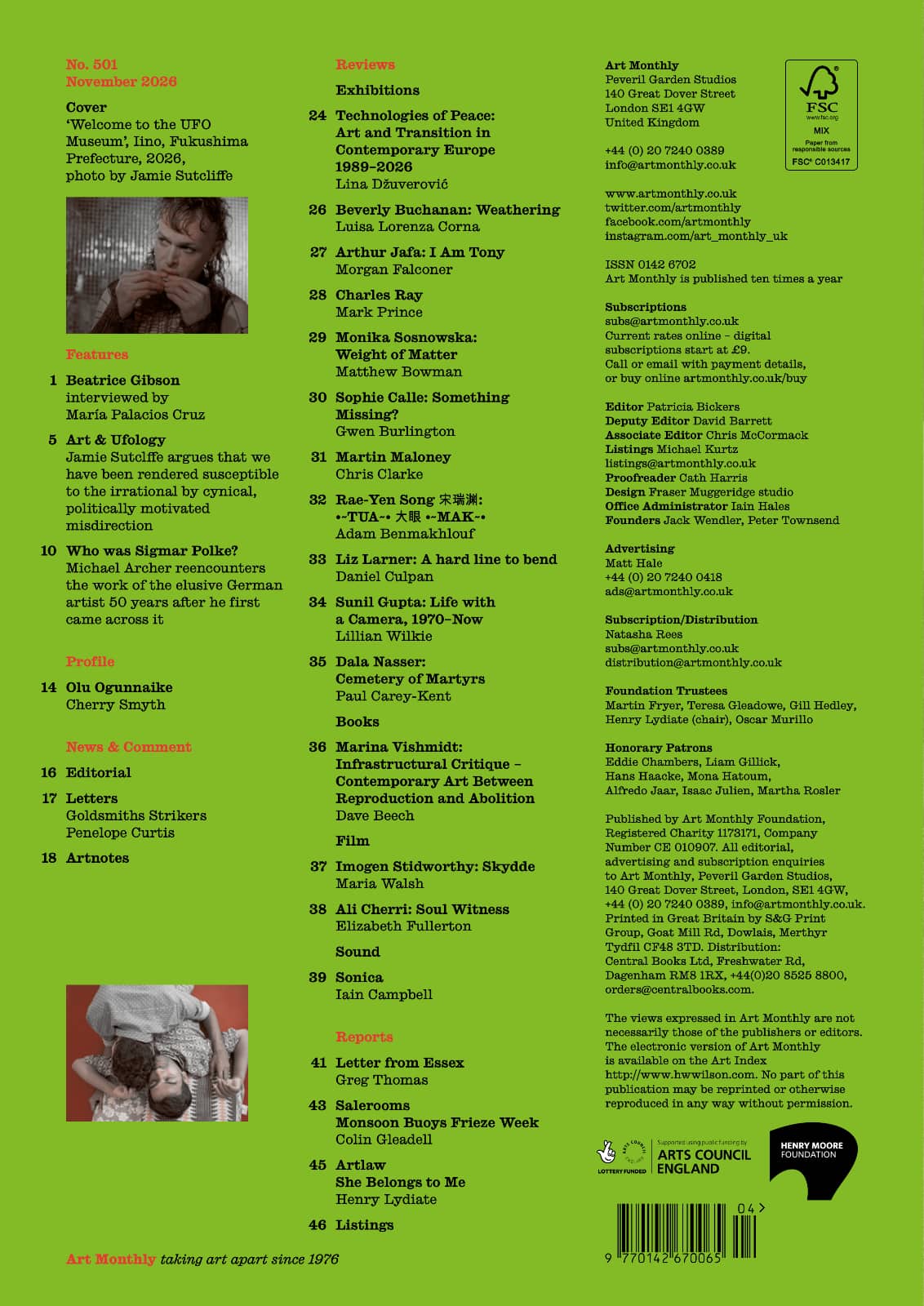
Beatrice Gibson
interviewed by María Palacios Cruz
Art & Ufology
Jamie Sutcliffe
Who was Sigmar Polke?
Michael Archer
Olu Ogunnaike
Profile by Cherry Smyth
Buy Now – select:
Want to read this right now?
Get instant access to the entire back catalogue via Exact Editions from only £8.99!
Contents
Beatrice Gibson, At Night, 2026
Interview
Inside a Crowd
Beatrice Gibson interviewed by María Palacios Cruz
It’s a crowd of voices, from the people in the work, the ones who are alive, to the ones who are no longer with us ... I can only do what I’m doing if I’m inside this assembly, inside a crowd. I can’t do it alone.
Caspar Heinemann, ‘Adduction’, 2026
Feature
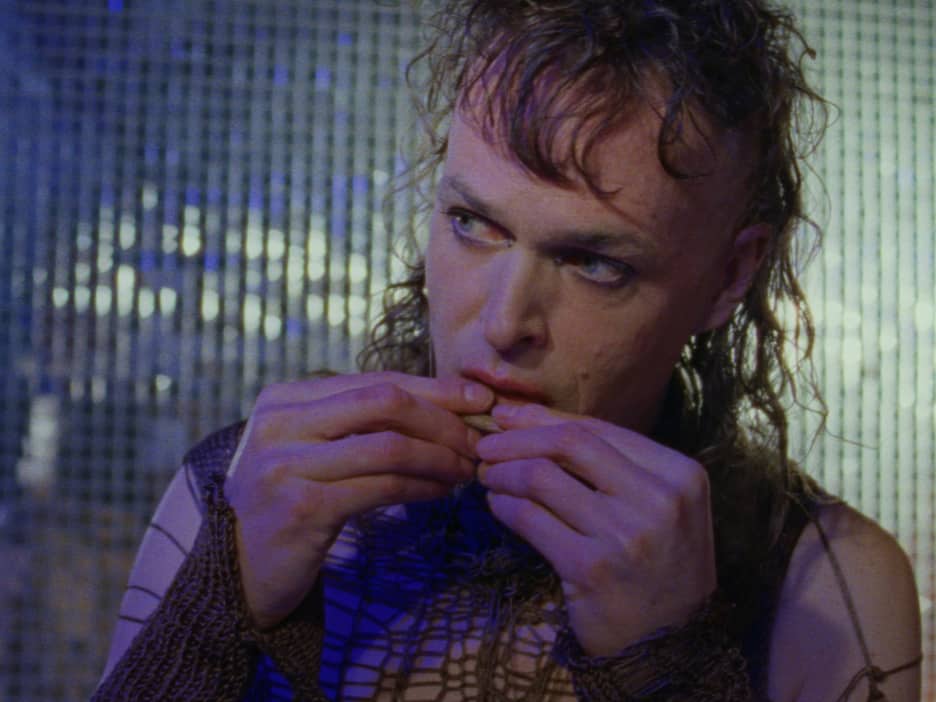
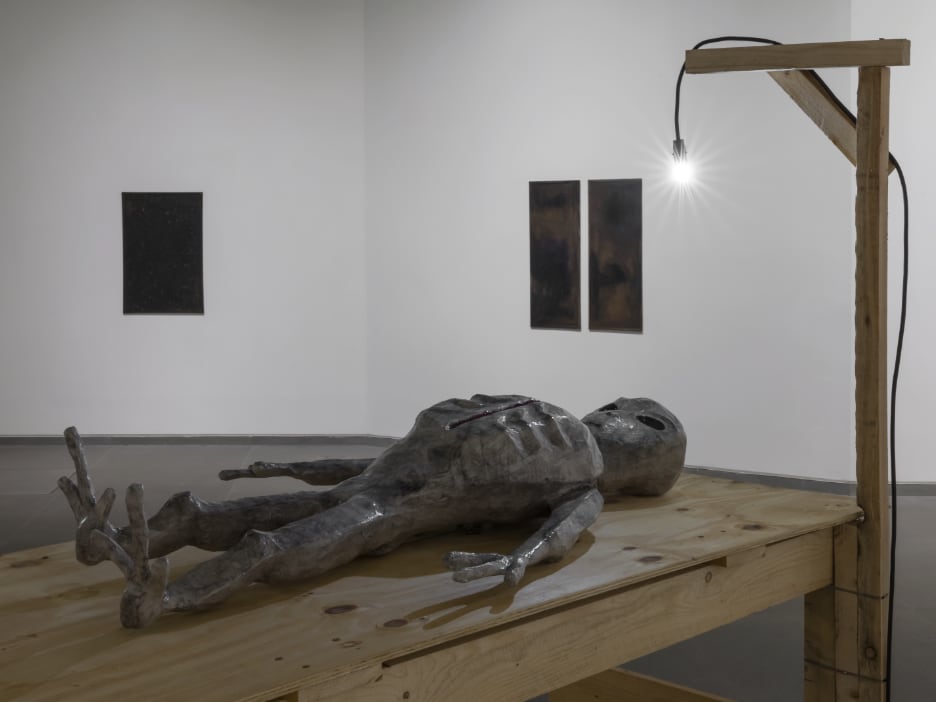
Art & Ufology
Jamie Sutclffe argues that we have been rendered susceptible to the irrational by cynical, politically motivated misdirection
The logic goes: when media feeds are saturated with the diffuse threats of proxy war combat, the existential risks of deregulated AI development, resource scarcity and the potential presence of extraterrestrial life on earth, the attention of the electorate becomes distracted, confused, pliable. ‘Reality’ itself becomes a medium to be sculpted.
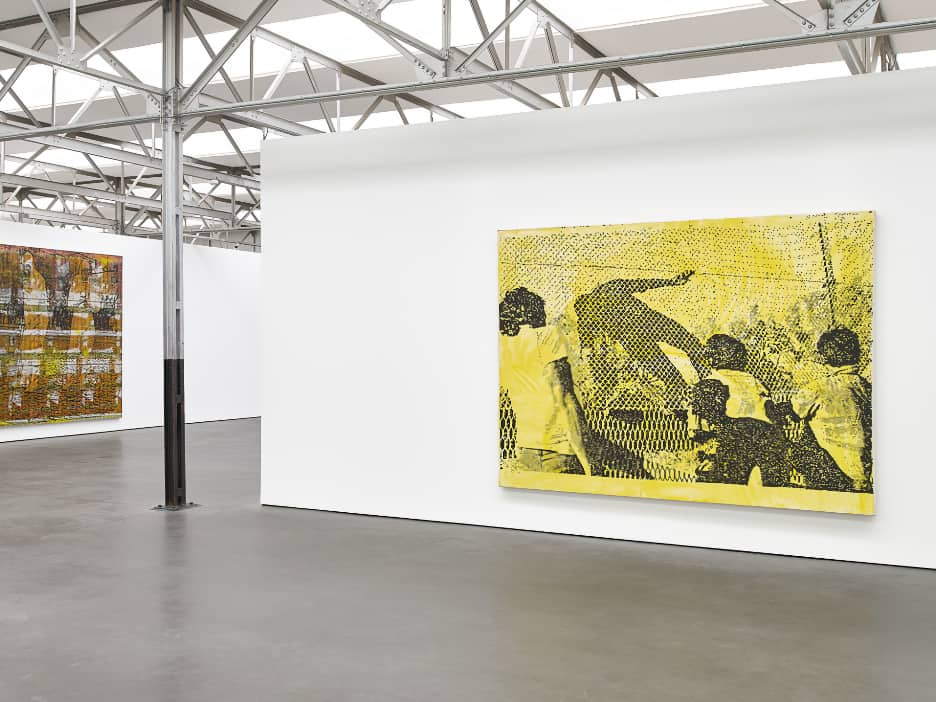
Sigmar Polke, ‘The Knowledge of Colours’, 2026
Feature
Who was Sigmar Polke?
Michael Archer reencounters the work of the elusive German artist 50 years after he first came across it
Sigmar Polke’s discontent with the Art Informel and Tachiste-oriented art taught in the academy manifested in his rejection of the idea that art could serve as an aesthetic salve to West Germany’s troubled conscience.
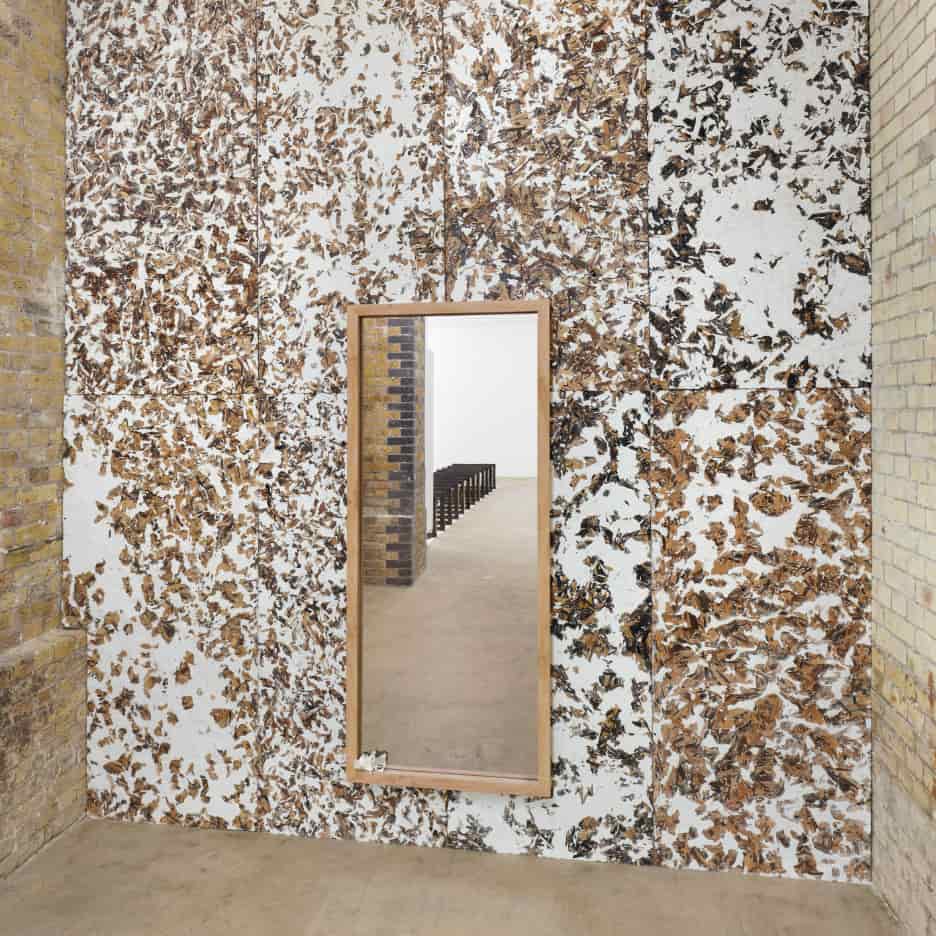
Olu Ogunnaike, What are you holding onto, 2026
Profile
Olu Ogunnaike
Phoebe Cripps
The more you see of your reflected self, the less you see of the image. My whiteness enters the night shots of Olu Ogunnaike’s friends and family, interrupting the intimate conversation between the images across a narrow space, ineluctably positioning my perception.
Editorial
The Last Word
Some argue that social media has ushered in a new ‘post-literate’ age but arguably, since the invention of the Gutenberg Press six centuries ago, technological changes have always altered the way people read.
Whatever the school riots that engulfed France last month developed into, the students who originally took to the streets to protest are clearly still passionate about education and, presumably, about reading. A society that does not value literacy, including visual literacy, is vulnerable to tyranny.
Letters
Strike at Goldsmiths
Goldsmiths University Strikers outline the effects of senior management’s proposed cuts.
Manifesta Omission
Penelope Curtis is surprised that AM’s review of Manifesta did not make clear the exhibition’s central premise: that each presentation took place in a church.
Artnotes
Kemi Axes Arts
Tory leader Kemi Badenoch pledges to halve the UK’s culture budget; the Labour government will retain free entry to museums; the Local Government Association proposes a new framework for arts investment; the Art Circle of Congolese Planation Workers forms a new collection of donated artworks to support the reforestation of postcolonial land; storm damage afflicts the Uffizi and the Venice Biennale; NY MoMA faces renewed protests over a disgraced trustee; Getty Images files for bankruptcy; plus the latest on galleries, people, prizes and more.
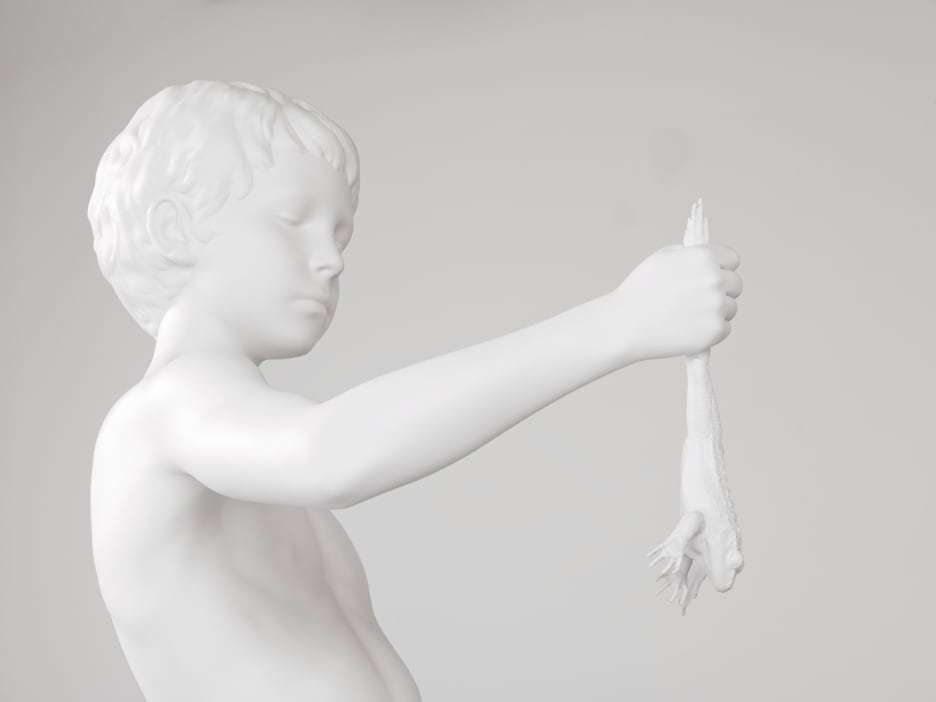
Charles Ray, Boy with Frog, 2009, Fridericianum, Kassel
Exhibitions
Technologies of Peace: Art and Transition in Contemporary Europe 1989–2026
IMMA, Dublin
Lina Džuverović
Beverly Buchanan: Weathering
Spike Island, Bristol
Luisa Lorenza Corna
Arthur Jafa: I Am Tony
New Museum, New York
Morgan Falconer
Charles Ray
Fridericianum, Kassel
Mark Prince
Monika Sosnowska: Weight of Matter
South London Gallery
Matthew Bowman
Sophie Calle: Something Missing?
Turner Contemporary, Margate
Gwen Burlington
Martin Maloney
Grazer Kunstverein, Graz
Chris Clarke
Rae-Yen Song 宋瑞渊: •~TUA~• 大眼 •~MAK~•
FACT, Liverpool
Adam Benmakhlouf
Liz Larner: A hard line to bend
Camden Art Centre, London
Daniel Culpan
Sunil Gupta: Life with a Camera, 1970–Now
Kettle’s Yard, Cambridge
Lillian Wilkie
Dala Nasser: Cemetery of Martyrs
Peer, London
Paul Carey-Kent
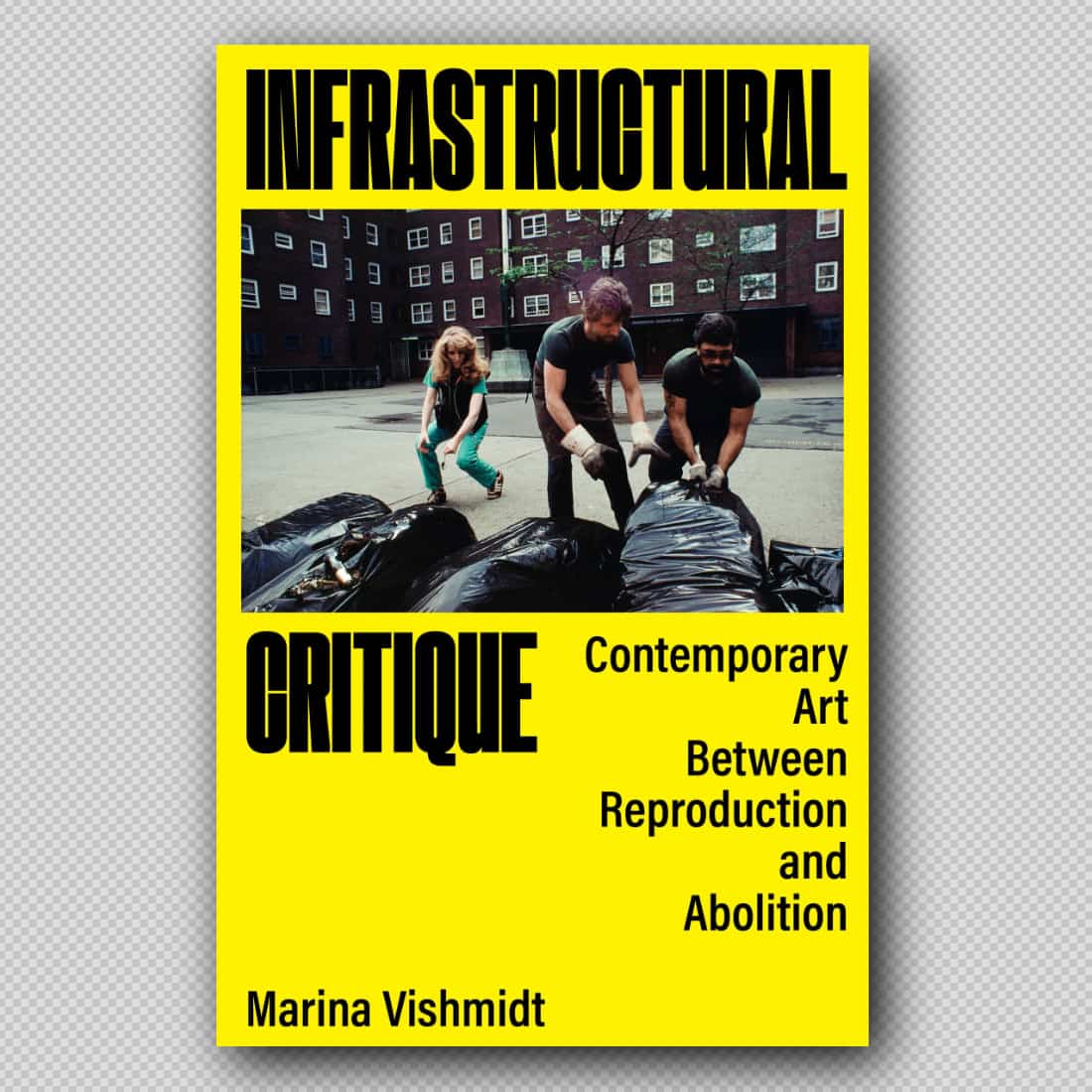
Marina Vishmidt, Infrastructural Critique
Books
Marina Vishmidt: Infrastructural Critique – Contemporary Art Between Reproduction and Abolition
Dave Beech
We can expect three related but distinct tendencies to emerge: first, infrastructural critique will become a buzzword; second, it will be adopted as a template that is repeated; and third, it will set the agenda for an expansive and recursive research inquiry.
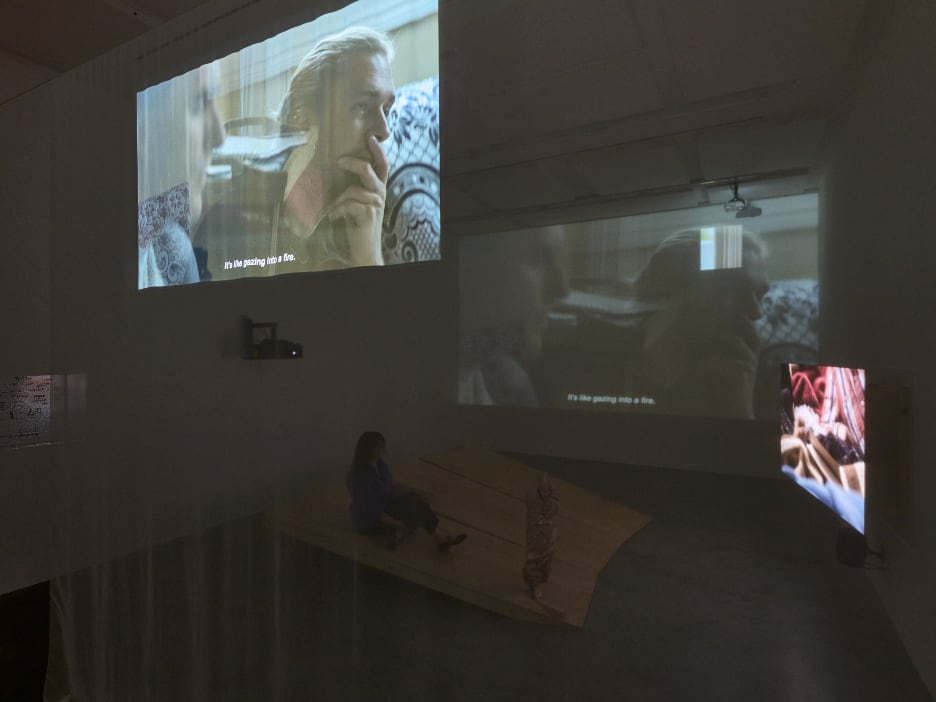
Imogen Stidworthy, Skydde, 2026
Film
Imogen Stidworthy: Skydde
Maria Walsh
Viewers are not participants in the Primary Work therapy session. Nonetheless, the encounter with the 28-minute film is intense and immersive, especially if watching with others in the gallery.
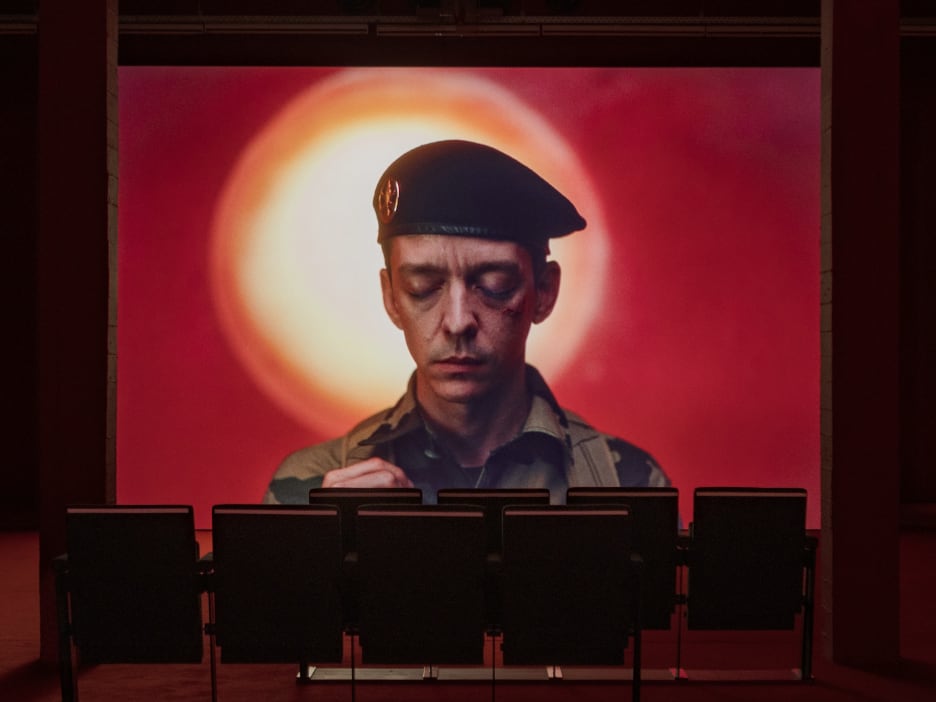
Ali Cherri, The Sentinel, 2026
Film
Ali Cherri: Soul Witness
Elizabeth Fullerton
The ‘Soldier’ trilogy reflects on forms of resistance, concentrated in the figure of the unproductive soldier who contravenes social stereotypes of heroic, hyper-masculine action men.
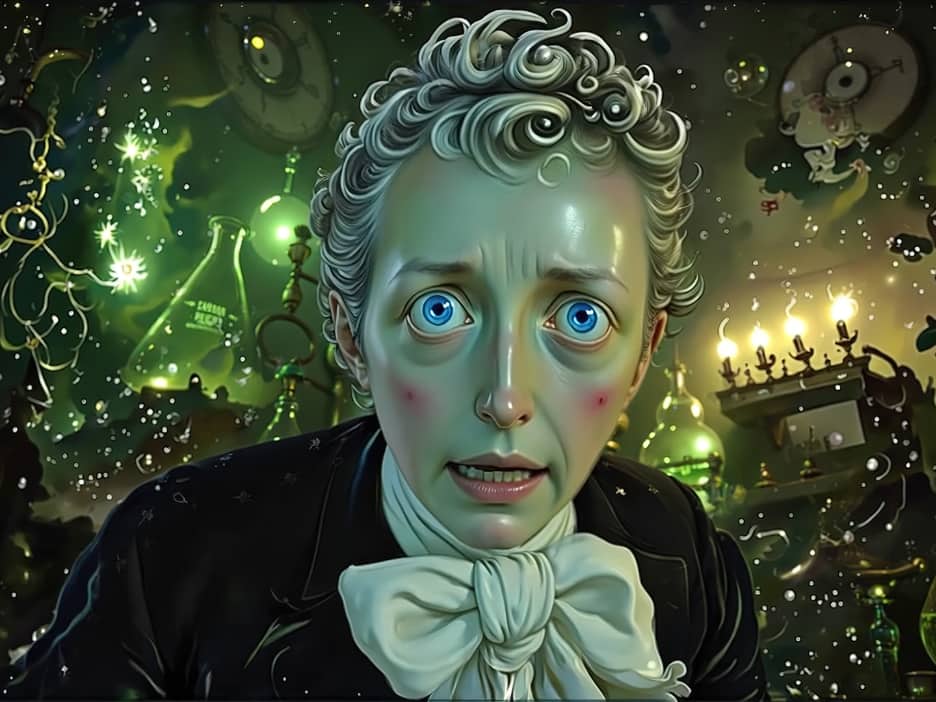
Rachel MacLean and Ela Orleans, They’ve Got Your Eyes, 2026
Sound
Sonica
Iain Campbell
Such synchronised visuals, whether rhythmically or amorphously tied to the sound, could feel like a kind of handholding, as if telling you how to understand what you’re hearing.
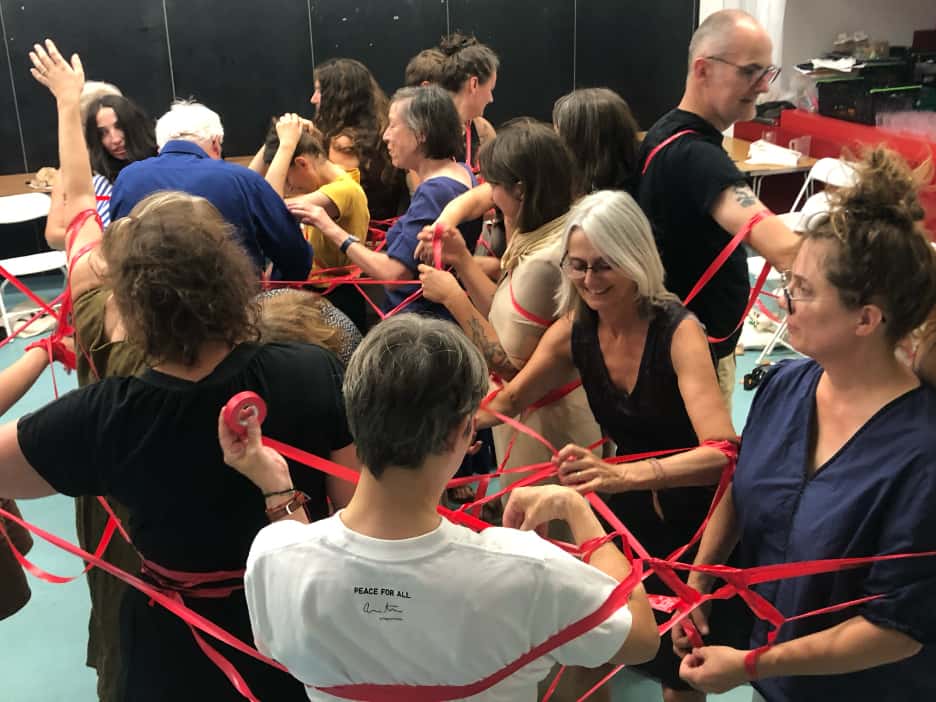
Daniel & Clara, Rewilding Imagination Lab, 2026
Reports
Letter from Essex
Greg Thomas
In the Gerry-rigged shacks and converted boat-homes of today’s Mersea island, you can see the inheritance of Essex’s historical anti-authoritarian individualism; so too at Dial House, the pacifist-anarchist commune established by Crass co-founder Penny Rimbaud and artist Gee Vaucher in Epping in 1967.
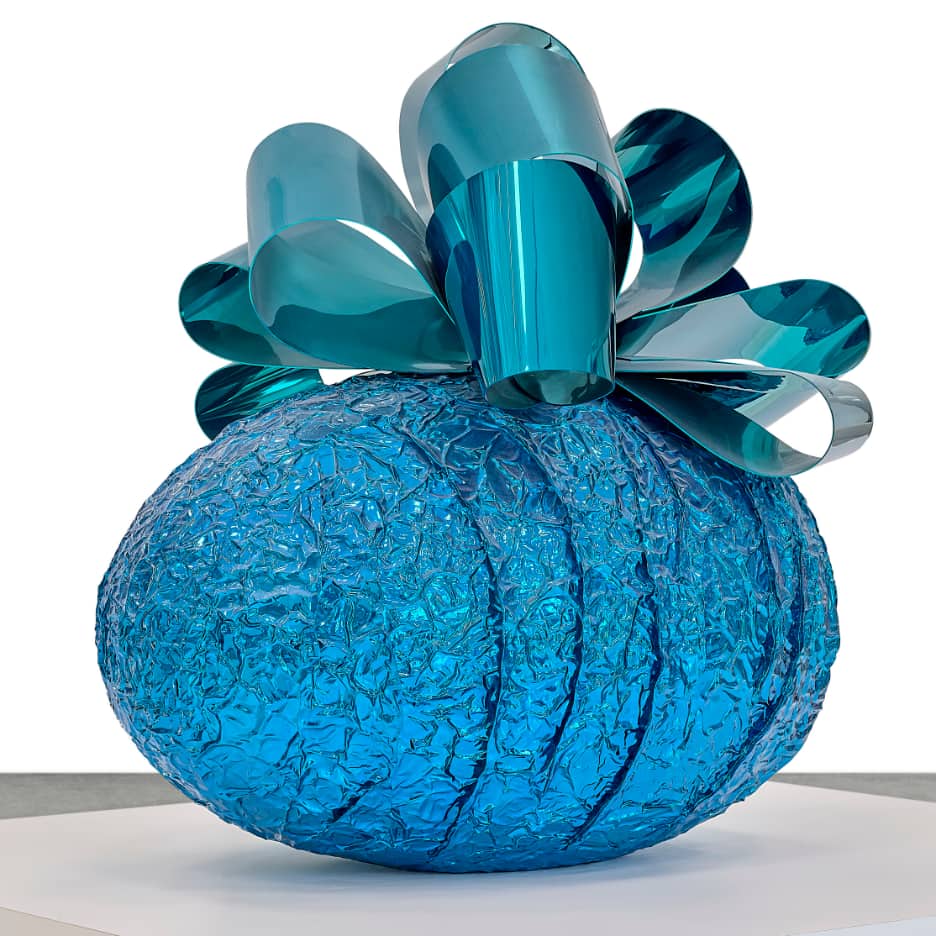
Jeff Koons, Baroque Egg with Bow (Blue Turquoise), 1994–2008, estimate £1.5m–2m, sold for £1.7m
Salesrooms
Monsoon Buoys Frieze Week
Colin Gleadell
The most conspicuous loss was on a Jeff Koons coloured stainless steel Baroque Egg with Bow (Blue Turquoise), which Monsoon fashion chain founder, Peter Simo, bought for £2.6m in 2012 but that now returned only £1.7m.
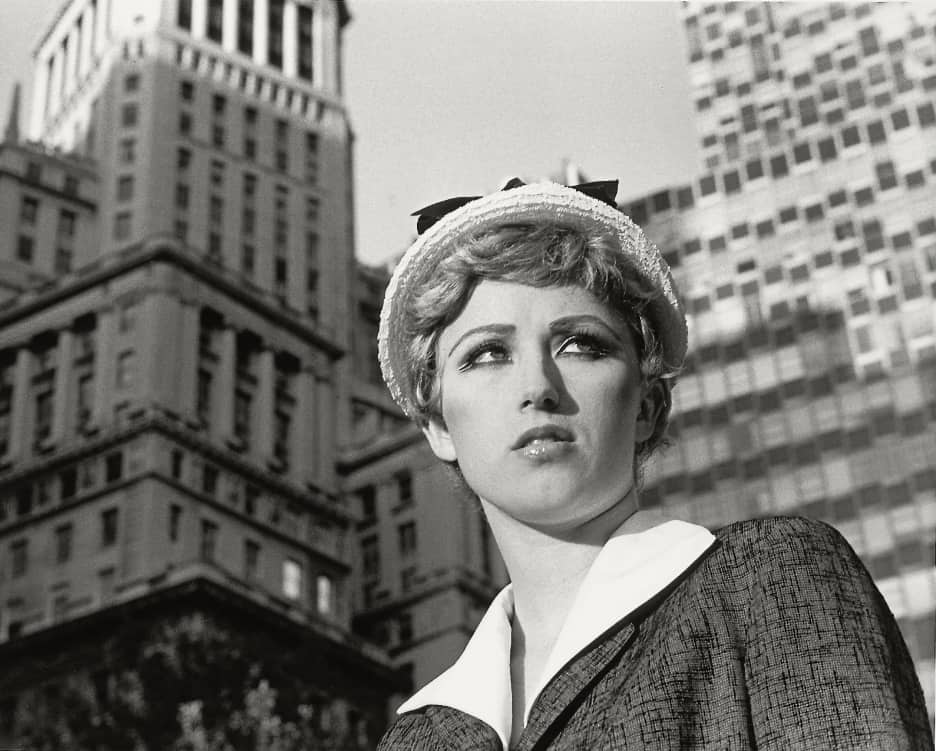
Cindy Sherman, Untitled Film Still #21, 1979
Artlaw
She Belongs to Me
Henry Lydiate
The Cindy Sherman Legacy Project will systematise and streamline the reprinting of Sherman’s photographs using the best available technologies and, in doing so, create a framework for sustaining the legacy of artists working in the medium of photography.





Peveril Garden Studios
140 Great Dover Street
London SE1 4GW
United Kingdom
Email info@artmonthly.co.uk