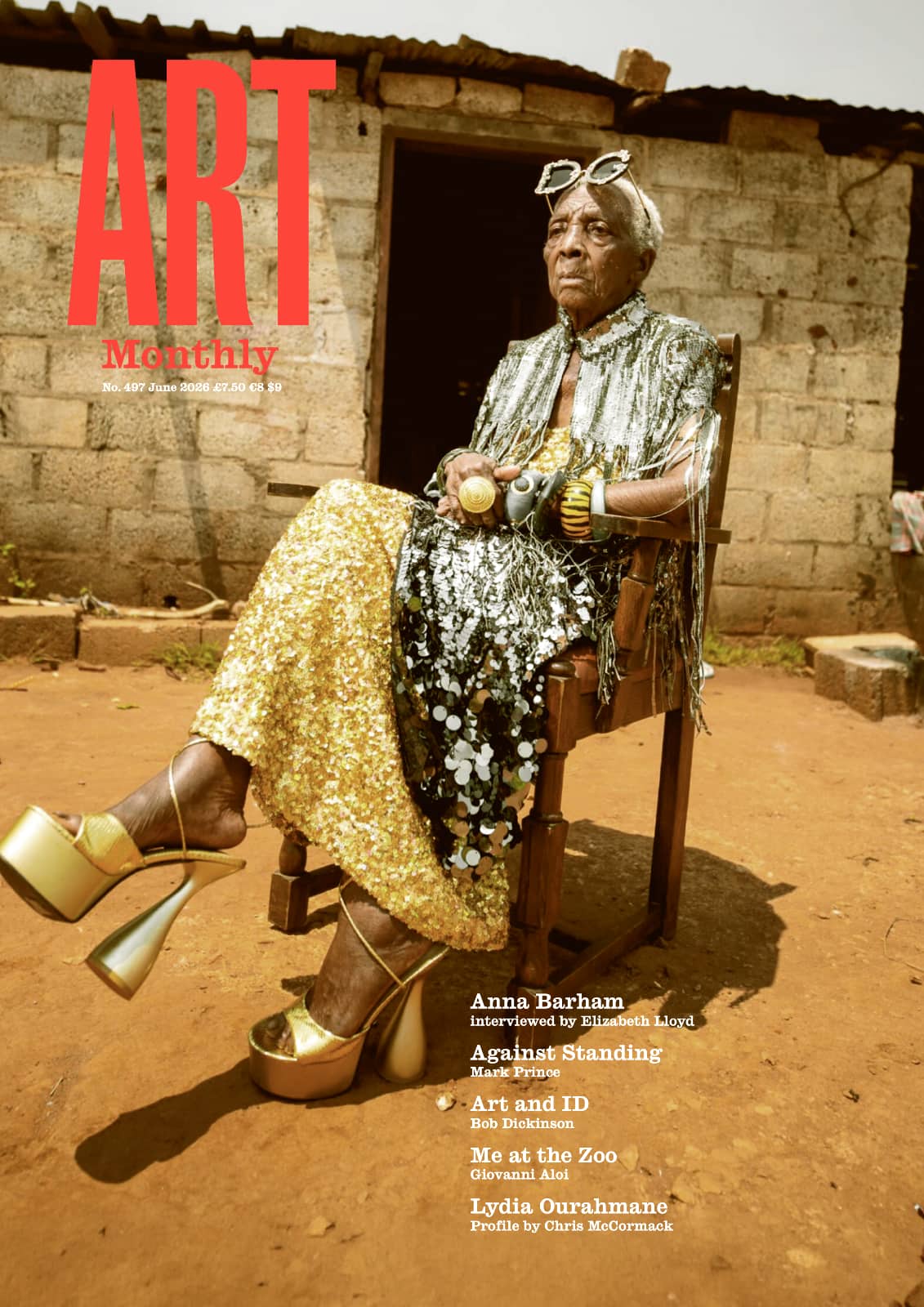
Art Monthly 497
June 2026
Anna Barham
interviewed by Lizzie Lloyd
Against Standing
Mark Prince
Art and ID
Bob Dickinson
Me at the Zoo
Giovanni Aloi
Buy Now – select:
Want to read this right now?
Get instant access to the entire back catalogue via Exact Editions from only £8.99!
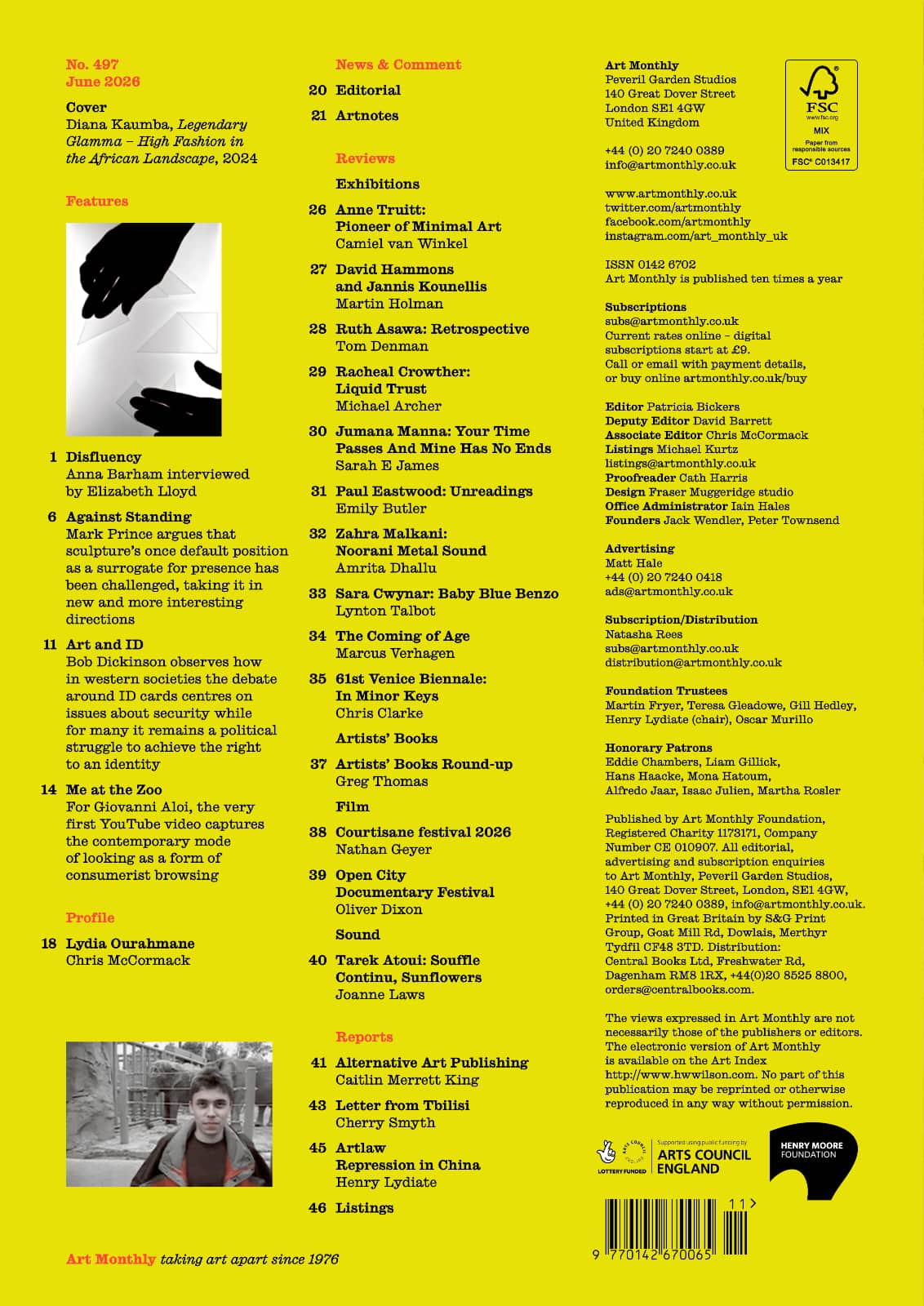
Contents
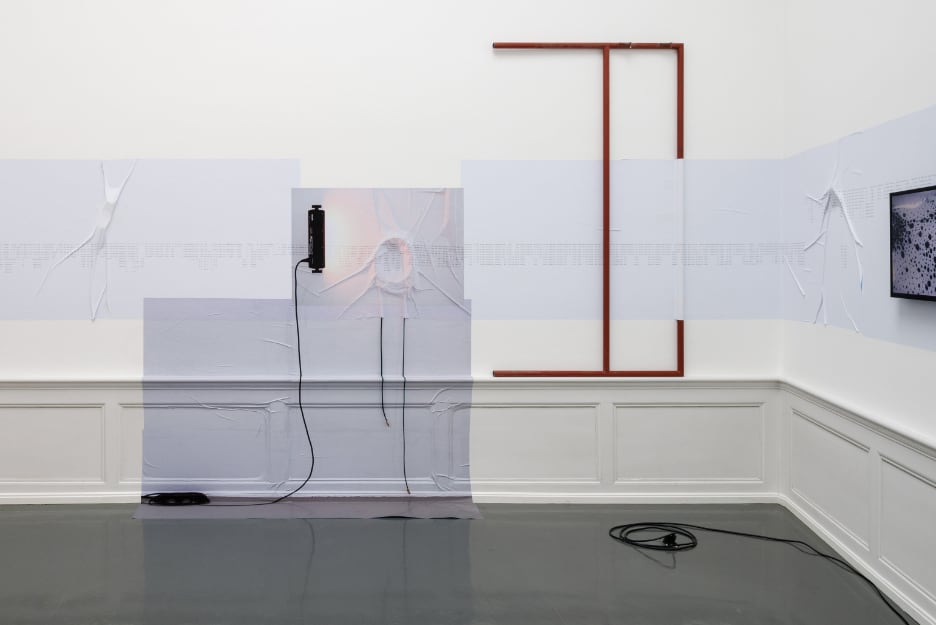
Anna Barham, Out of the gravel, 2022/26, installation view
Interview
Disfluency
Anna Barham interviewed by Lizzie Lloyd
Each reader re-authors the text in the act of reading, and I was fascinated by the way agency was distributed within a group and between human and machine.
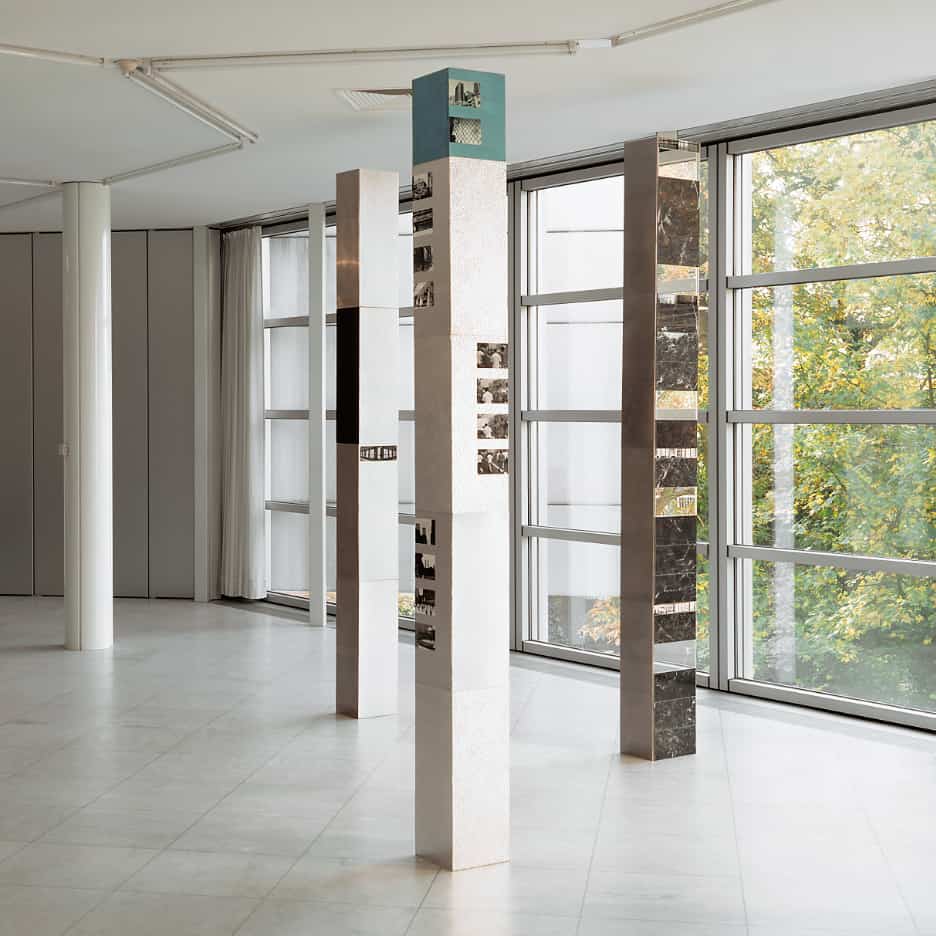
Isa Genzken, Untitled, 1998
Feature
On Sculpture: Against Standing
Mark Prince argues that sculpture’s once default position as a surrogate for presence has been challenged, taking it in new and more interesting directions
Anne Truitt’s anomalous sculptural idiom – a minimalistic formalism – points in two directions which seem mutually exclusive: ‘standing’ but ‘intactly’, it complies with sculpture’s definitional conditions to escape their confines.
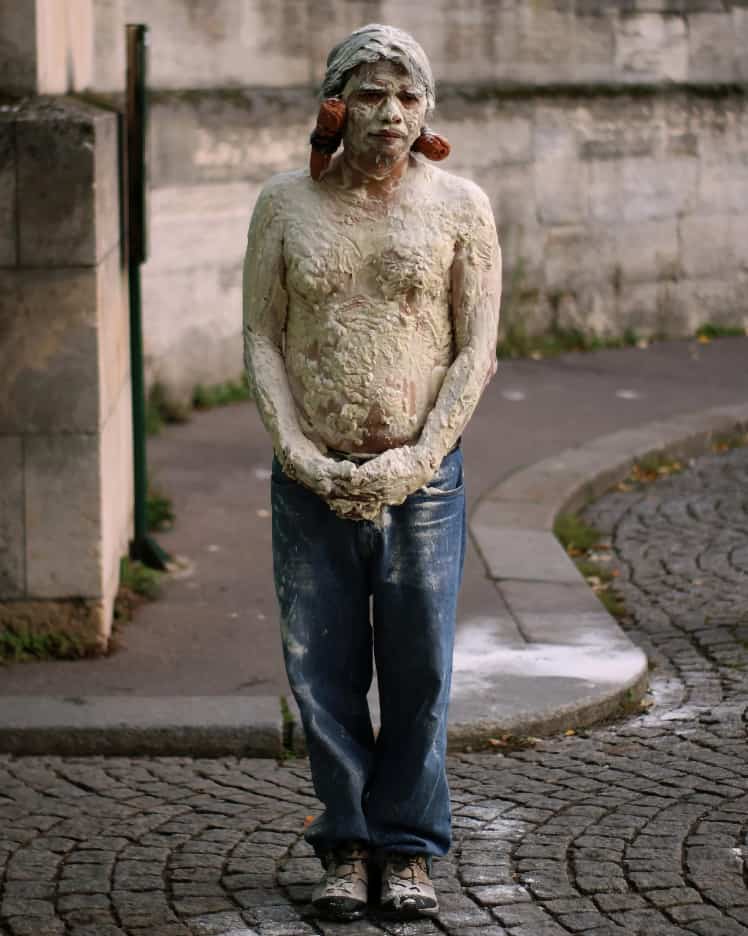
Chavajay Benvenuto, Corn Man, 2020
Feature
Art and ID
Bob Dickinson observes how in western societies the debate around ID cards centres on issues about security while for many it remains a political struggle to achieve the right to an identity
In 2024, a sample of the bureaucratic paperwork and proof required by relatively specialised applicants, such as artists, to enter Europe was added to the British Library’s Sir John Ritblat Treasures Gallery in a display case organised by Daniel Lowe, curator of the Library’s Arabic Collections.
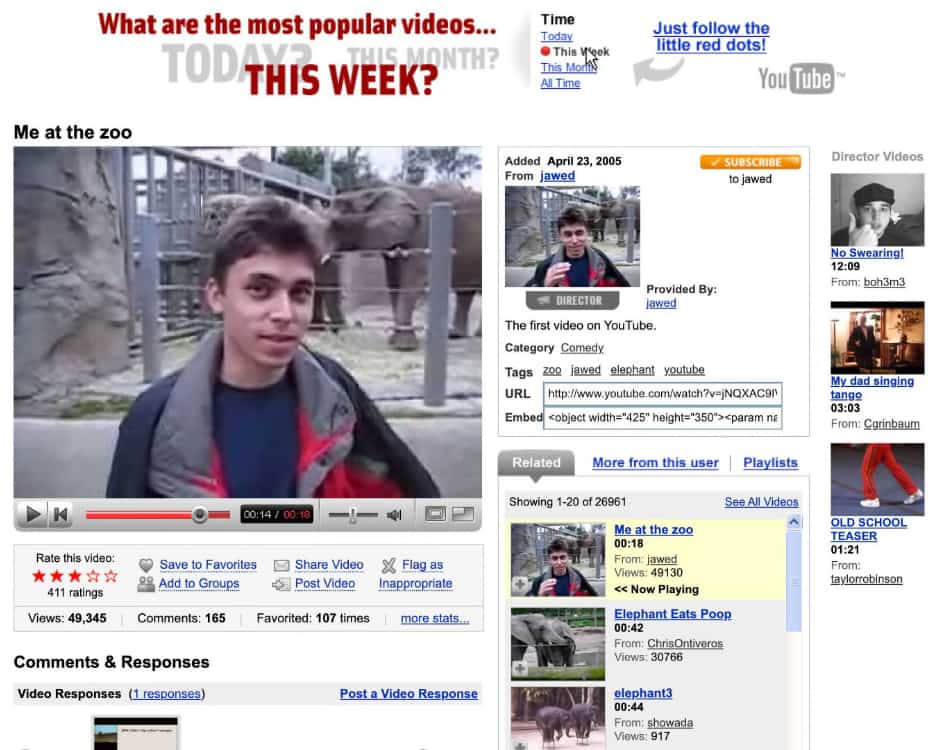
Jawed Karim, Me at the zoo, 2005
Feature
Me at the Zoo
For Giovanni Aloi, the very first YouTube video captures the contemporary mode of looking as a form of consumerist browsing
If Me at the zoo has become worthy of a museum collection, it is because it condenses with ruthless intensity the conditions of attention, representation and consumption that have come to shape art and communication in the first quarter of the millennium.
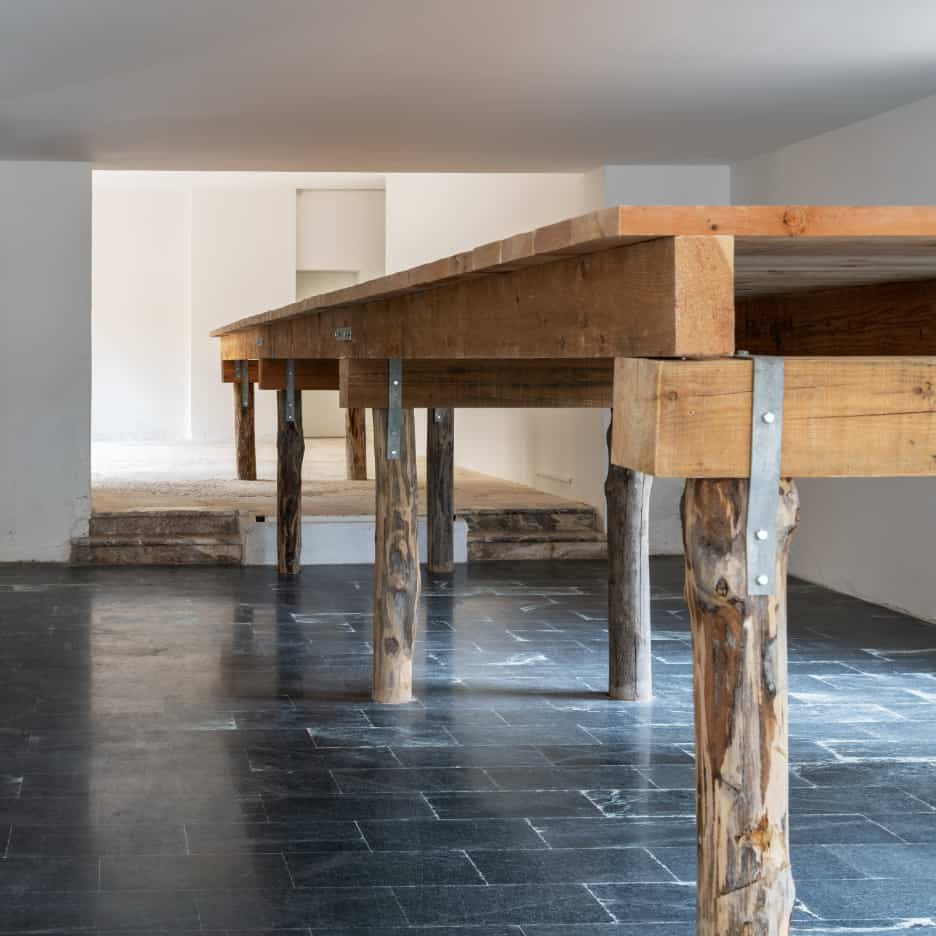
Lydia Ourahmane, (45.3820696, 12.3294242), 2026
Profile
Lydia Ourahmane
Chris McCormack
Lydia Ourahmane’s pier (titled after its future GPS co-ordinates) is expected to leave the gallery during the exhibition to be installed on the island; the carved-out tiled flooring that houses each of the eight posts will be the only remaining mark of its former presence.
Editorial
The Human Zoo
The overt and increasingly covert introduction of Smart technology, in both the public and private spheres, has opened us up to dangerous levels of surreptitious surveillance and non-consensual filming, not only by state agents but also by so-called content creators and influencers.
As Giovanni Aloi warns, such ‘frictionless viewing’, whether strolling at the zoo or scrolling on a digital device, cultivates the dangerous perception of the subject – animal or human – as being ‘perpetually available’ as ‘content’ with or without their consent.
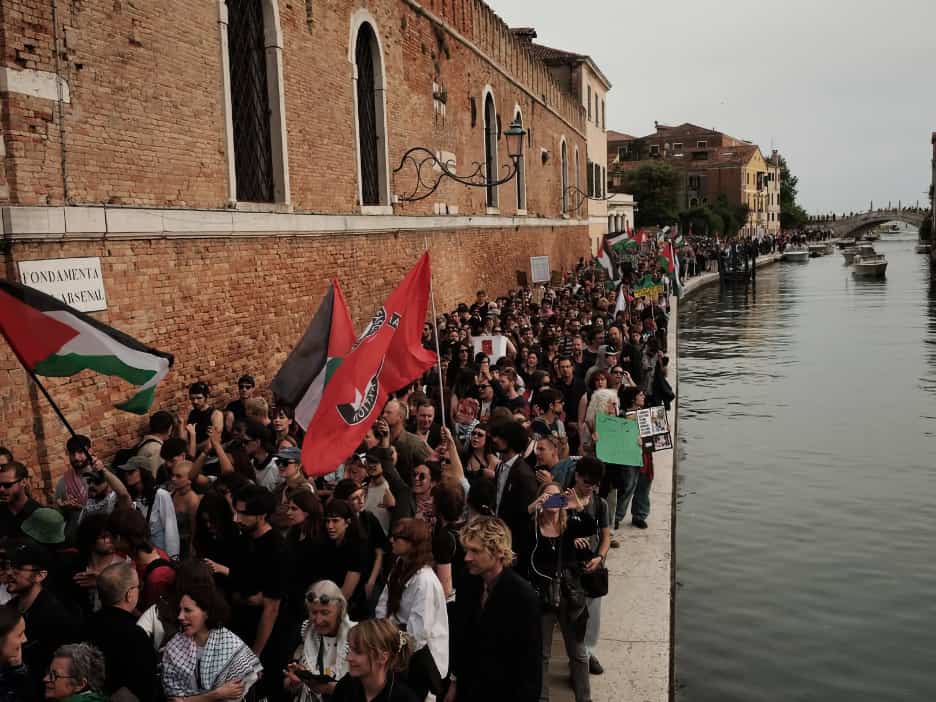
ANGA’s protest march at the Venice Biennale
Artnotes
Venice Sanctioned
Protests come to a head at the Venice Biennale; photographer and social activist Misan Harriman is smeared by the right-wing press; a large-scale Banksy sculpture appears in Westminster; a large-scale Antony Gormley sculpture is removed from Reform-led Kent; London’s Artist Garden showcase for women artists is under threat from TfL; London Met University lecturers strike over cuts to academic staff in the Art Department and beyond; research shows that engaging with the arts reduces biological ageing at a similar level to physical exercise; plus the latest on galleries, people, prizes and more.
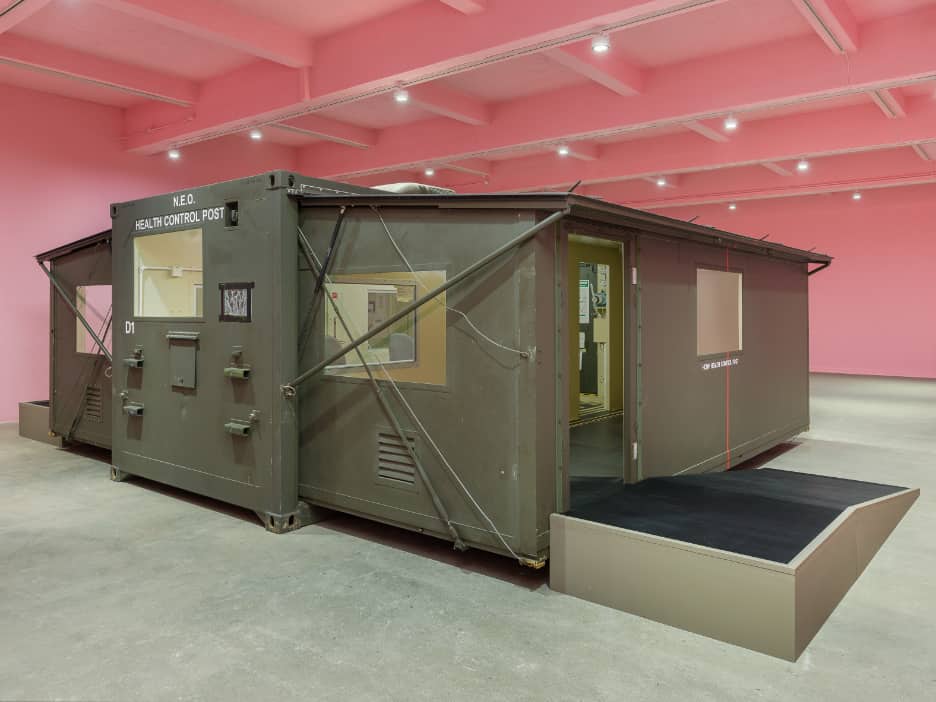
Racheal Crowther, ‘Liquid Trust’, Chisenhale, London
Exhibitions
Anne Truitt: Pioneer of Minimal Art
K20, Düsseldorf
Camiel van Winkel
David Hammons and Jannis Kounellis
White Cube, New York
Martin Holman
Ruth Asawa: Retrospective
Guggenheim Bilbao
Tom Denman
Racheal Crowther: Liquid Trust
Chisenhale, London
Michael Archer
Jumana Manna: Your Time Passes And Mine Has No Ends
Hollybush Gardens, London
Sarah E James
Paul Eastwood: Unreadings
Mostyn, Llandudno
Emily Butler
Zahra Malkani: Noorani Metal Sound
Auto Italia, London
Amrita Dhallu
Sara Cwynar: Baby Blue Benzo
The Approach, London
Lynton Talbot
The Coming of Age
Wellcome Collection, London
Marcus Verhagen
61st Venice Biennale: In Minor Keys
various venues
Chris Clarke
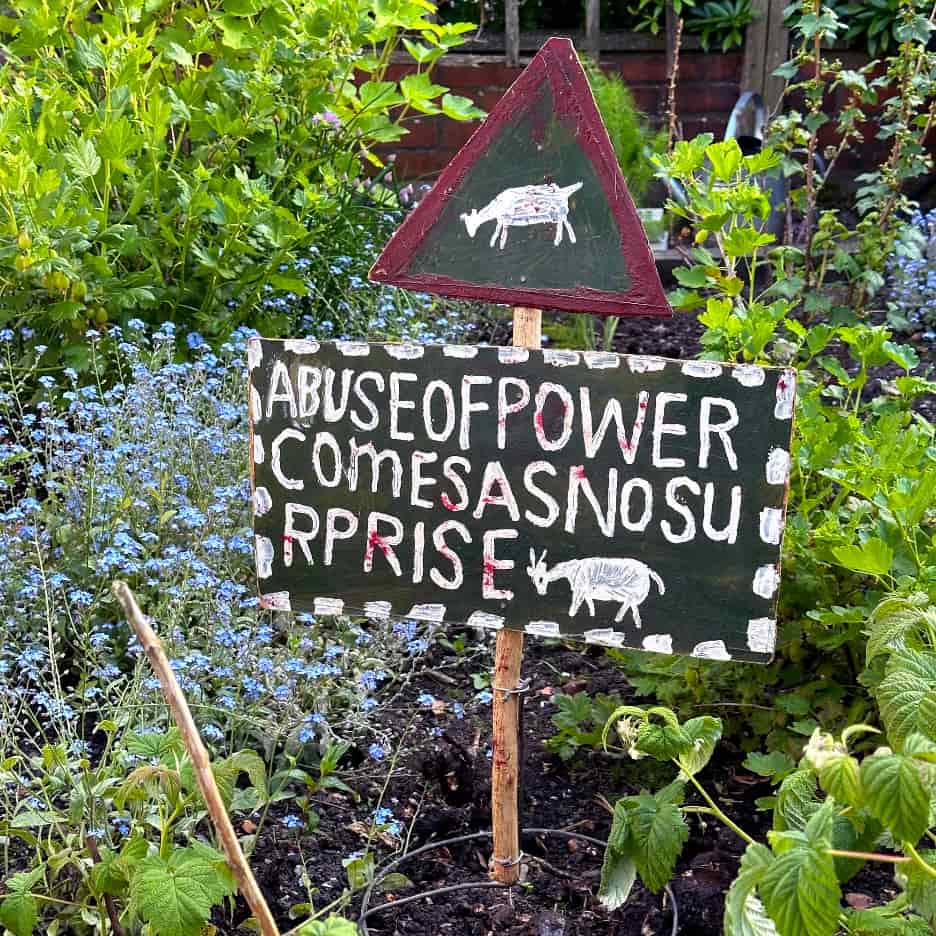
image from Chickenman Mkhize’s WORDSWORDSWORDS published by Wax366
Artist’s Books
Artists’ Books Round-up
Greg Thomas
The interest lies partly in the satirical power with which Chickenman Mkhize mimics and deconstructs public rules and signage in apartheid-era South Africa’s crumbling racist regime.
Ibrahim Shaddad, Jamal, 1981
Film
Courtisane festival 2026
Nathan Geyer
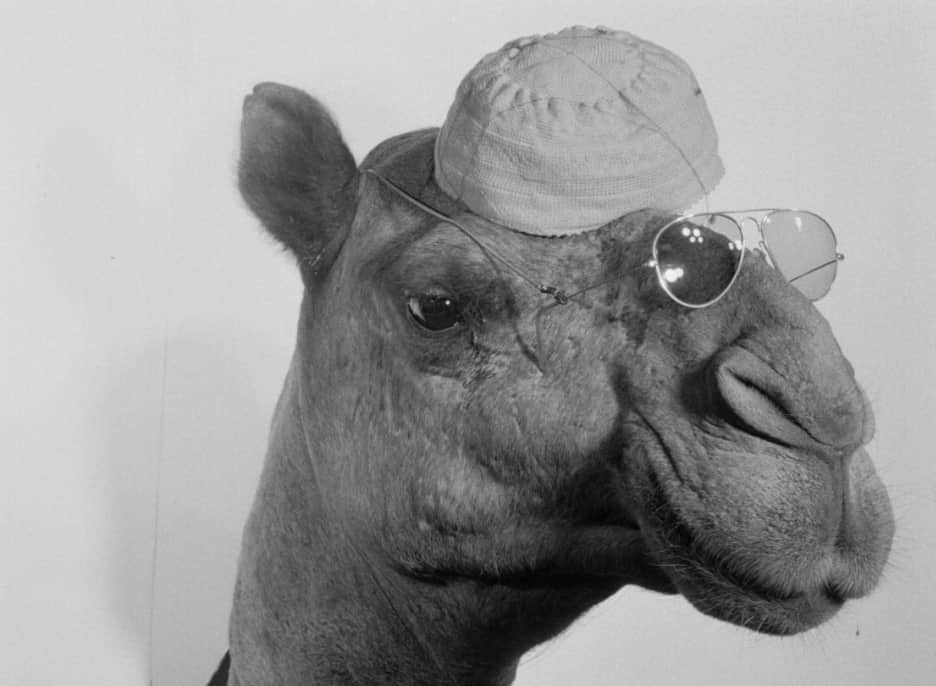
One of the most startling discoveries of the festival, Ibrahim Shaddad’s Jamal, 1981, featured in a programme of Sudanese cinema curated by Rund Alarabi & Vincent Stroe. Pitched to the Sudanese Ministry of Culture as a documentary about traditional sesame oil manufacturing, Shaddad’s film is in fact an intensely noisy piece of punk expressionism.
Peter Treherne, Matter of Britain, 2026
Film
Open City Documentary Festival
Oliver Dixon
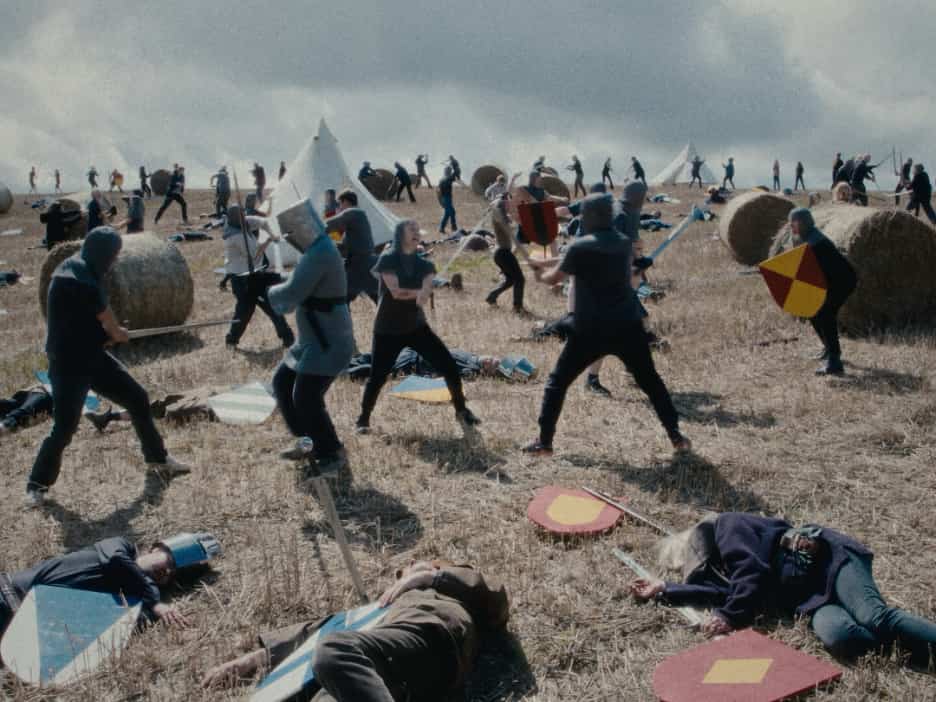
Peter Treherne’s Matter of Britain, 2026, a collaborative documentary of a village’s performance of Arthurian myth, proposes cinema as a kind of residual ritual, a practice with which to trace our collective histories and subjectivities, operating firmly within remaining institutional infrastructures.
Tarek Atoui, ‘Souffle Continu, Sunflowers’
Sound
Tarek Atoui: Souffle Continu, Sunflowers
Joanne Laws
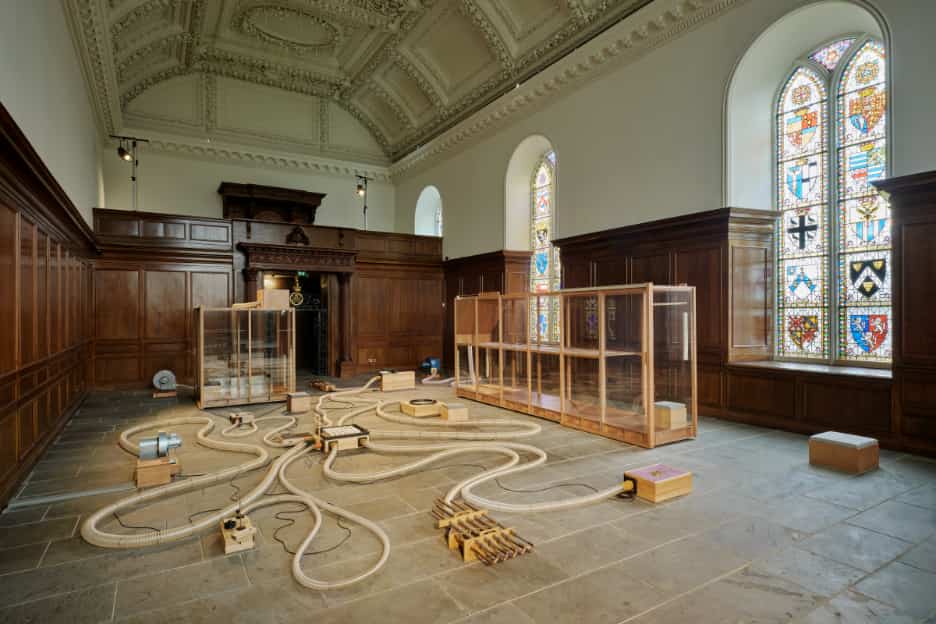
At Tarek Atoui’s feet is a sprawling web of transparent plastic piping that flows from a central chamber to a series of neat wooden boxes, which act as little islands within this fantastical cartography. Contained within are reeds, organ blowers and variations of flutes, with an intricate circuitry of electrical cables feeding a constellation of interfaces.
‘Document H.E.T. Alternative Publishing and Community Undercurrents’, The NewBridge Project, Newcastle
Reports
Alternative Art Publishing
Caitlin Merrett King
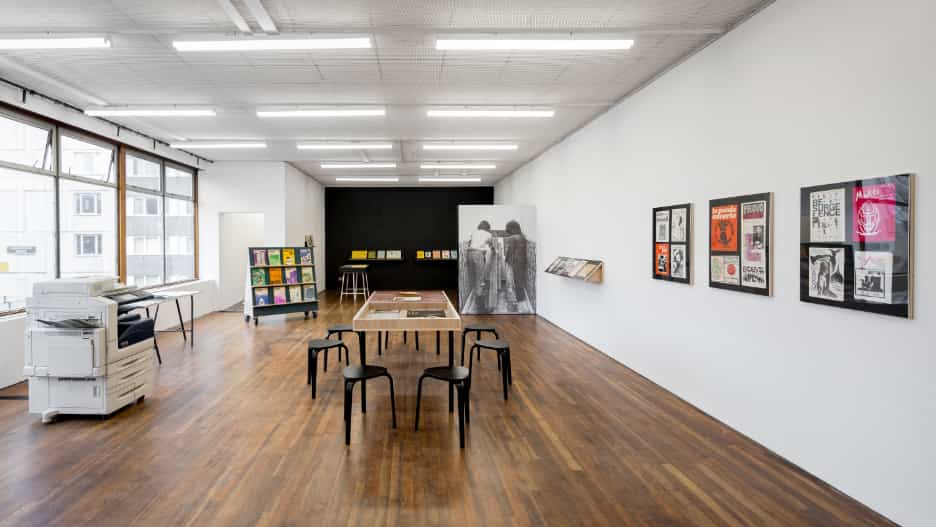
The exhibition at NewBridge Project presents a selection of Document H.E.T., a collection of radical and independently published printed matter from the 1970s to the 1990s – including information catalogues, community newsletters and magazines – gathered by Newcastle-based printmaker and graphic designer Niall Greaves.
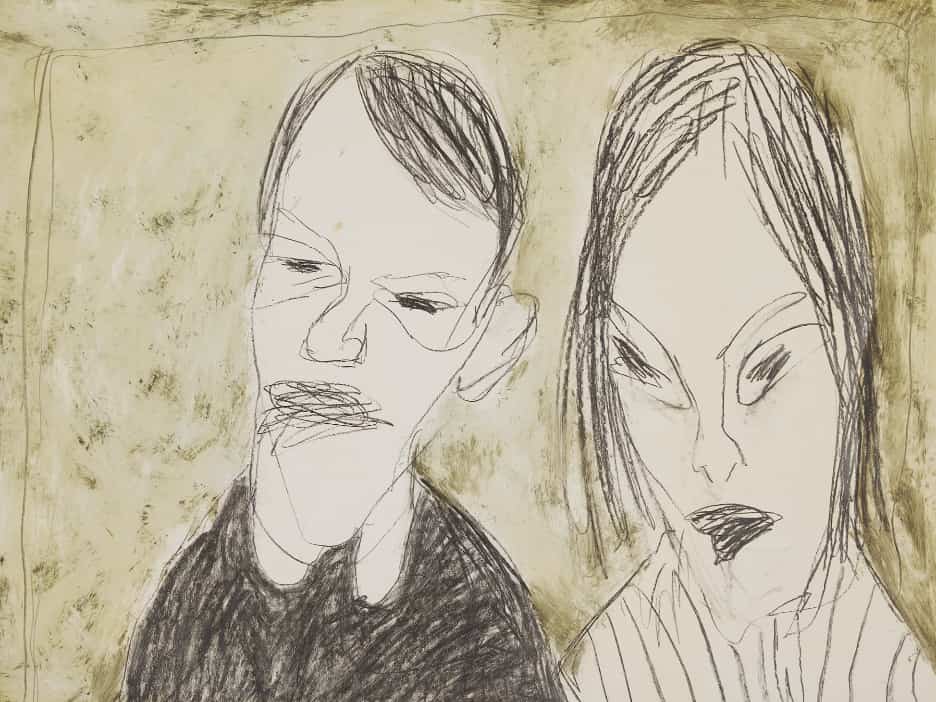
Karlo Kacharava, Untitled, 1988
Reports
Letter from Tbilisi
Cherry Smyth
When it rains in Tbilisi, the buildings pour. Drainpipes empty straight onto the street, where pavements stream. Poor drainage could symbolise what refuses to be channelled out of sight in Georgia. Prolific graffiti signals the very alive tensions around self-determination – ‘Long live free Georgia’ – attesting to the defiant pride that greets you here.
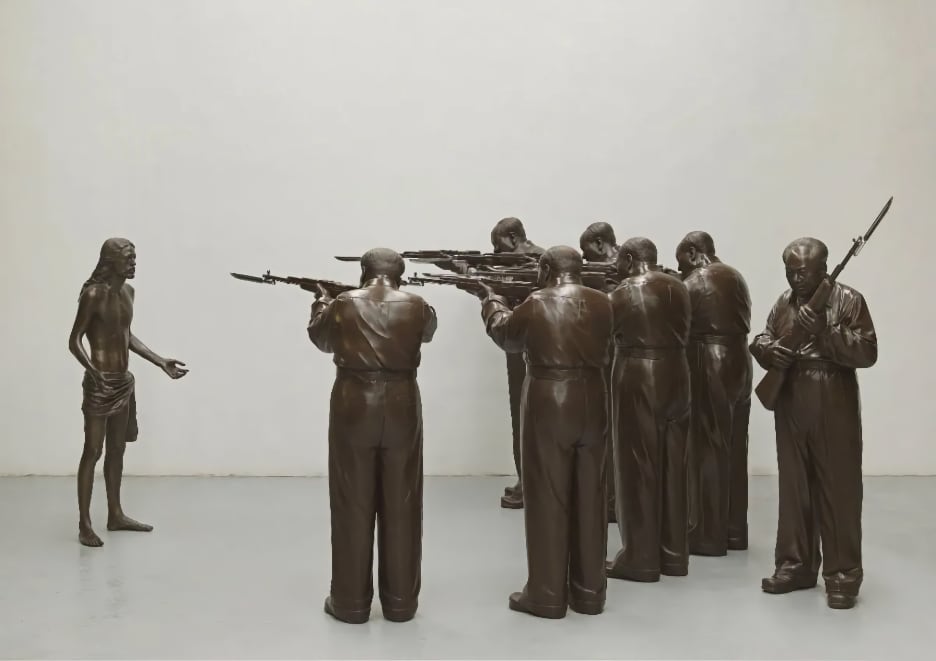
Gao Zhen, The Execution of Christ, 2009
Artlaw
Repression in China
Henry Lydiate
In 2022, Gao Zhen emigrated to the US. In 2024, while in Beijing visiting his family, he was arrested, 100 of his artworks were seized, and his wife and seven-year-old son were banned from leaving China. Chinese media reports described Gao as a ‘so-called artist, who caters to Western political agendas through pseudo-art that vilifies and insults revered figures’.







Peveril Garden Studios
140 Great Dover Street
London SE1 4GW
United Kingdom
Email info@artmonthly.co.uk