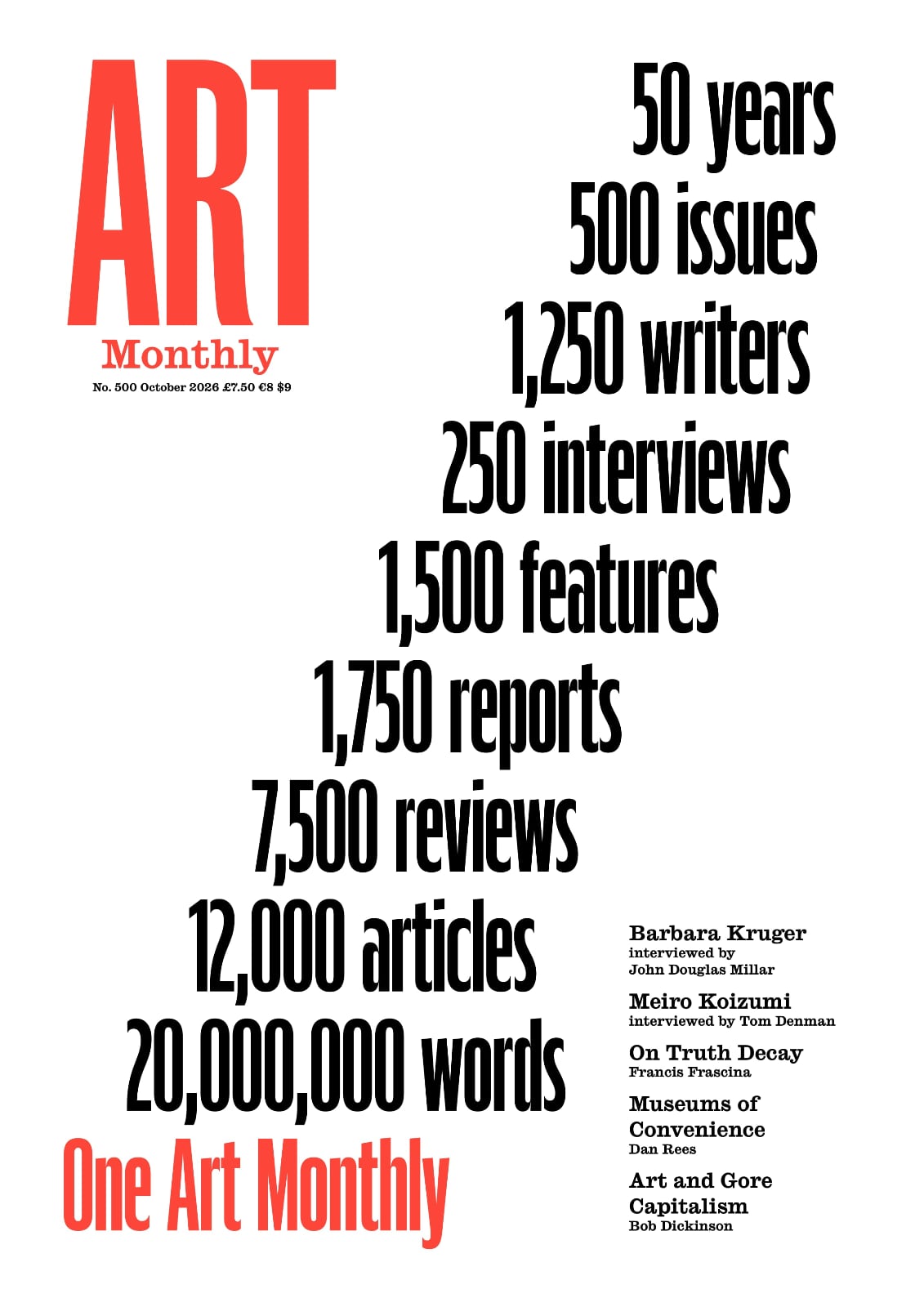
Art Monthly 500
October 2026
Barbara Kruger
interviewed by John Douglas Millar
Meiro Koizumi
interviewed by Tom Denman
On Truth Decay
Francis Frascina
Museums of Convenience
Dan Rees
Buy Now – select:
Want to read this right now?
Get instant access to the entire back catalogue via Exact Editions from only £8.99!
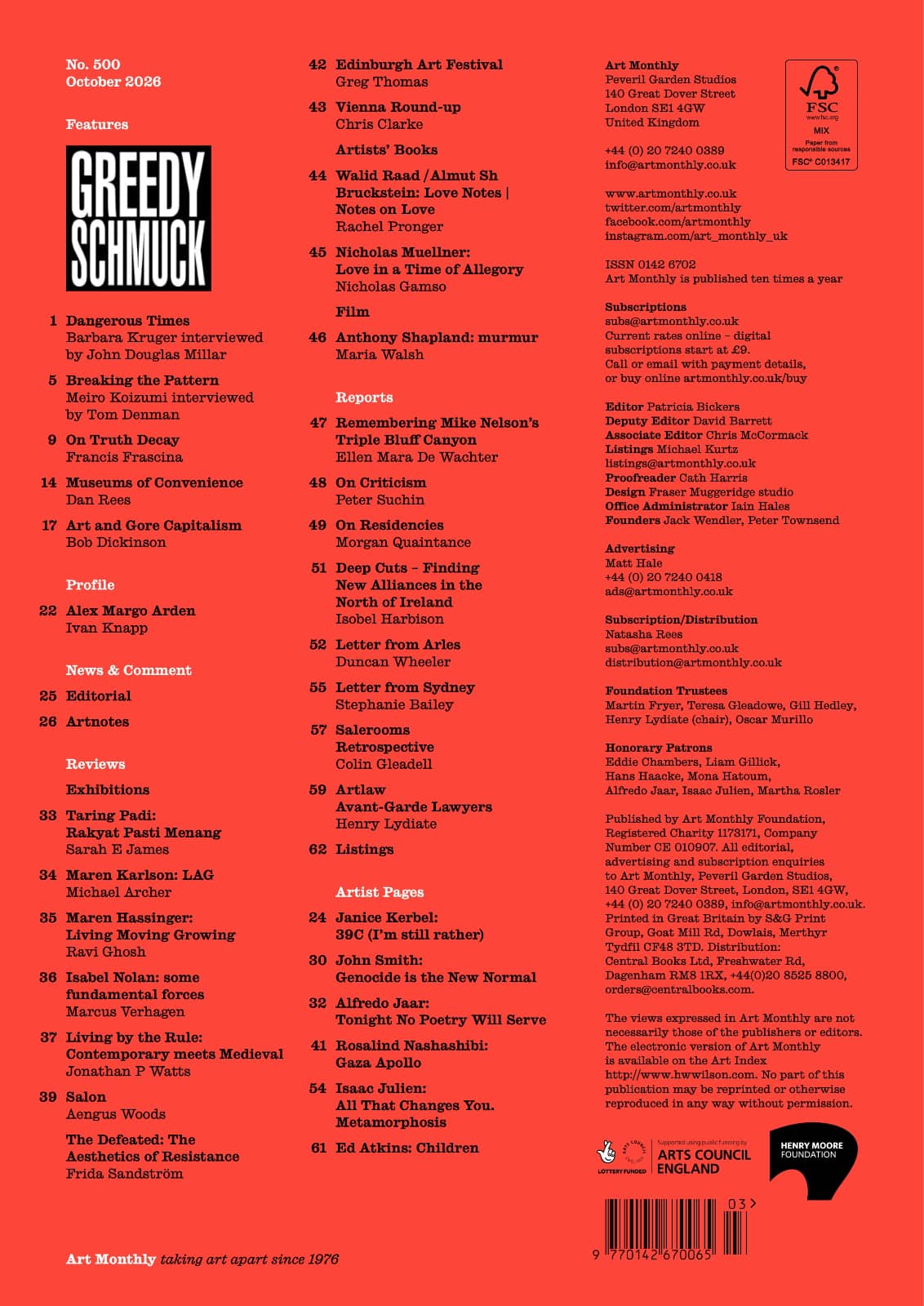
Contents
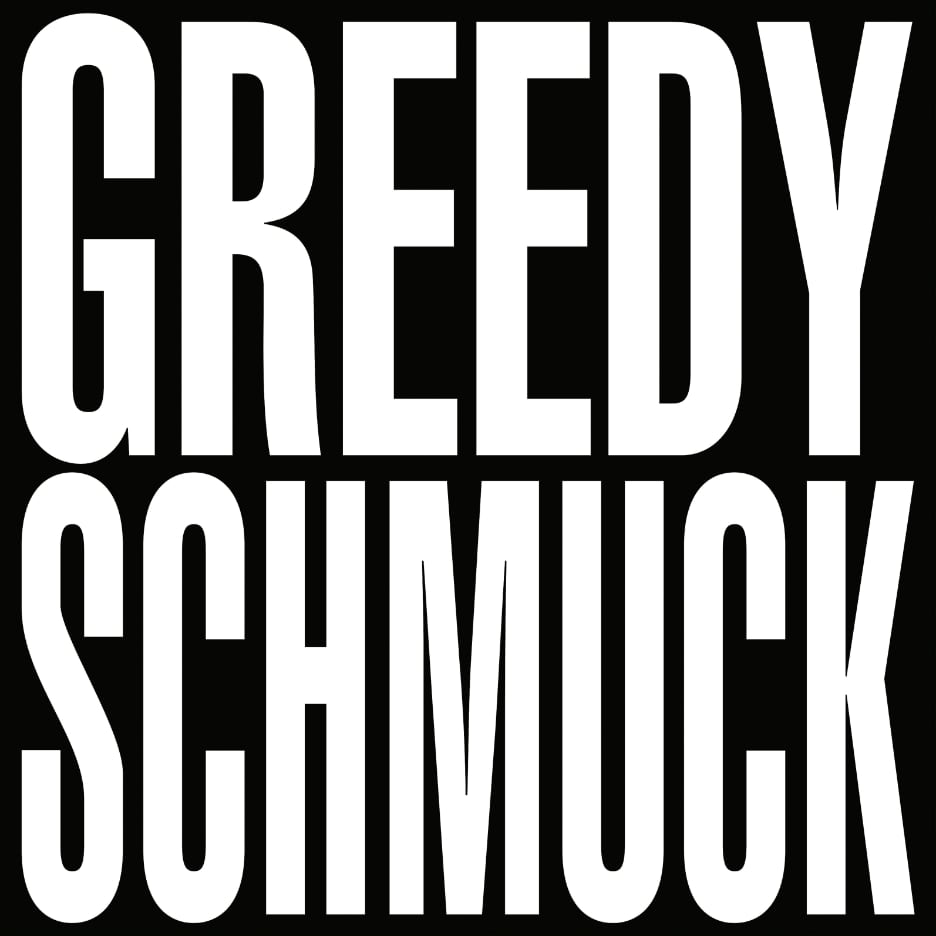
Barbara Kruger, Untitled (Greedy Schmuck), 2012
Interview
Dangerous Times
Barbara Kruger interviewed by John Douglas Millar
My work was hot, not cool. The address was forthright rather than withholding. I was never cool enough to be cool. That’s still the case.
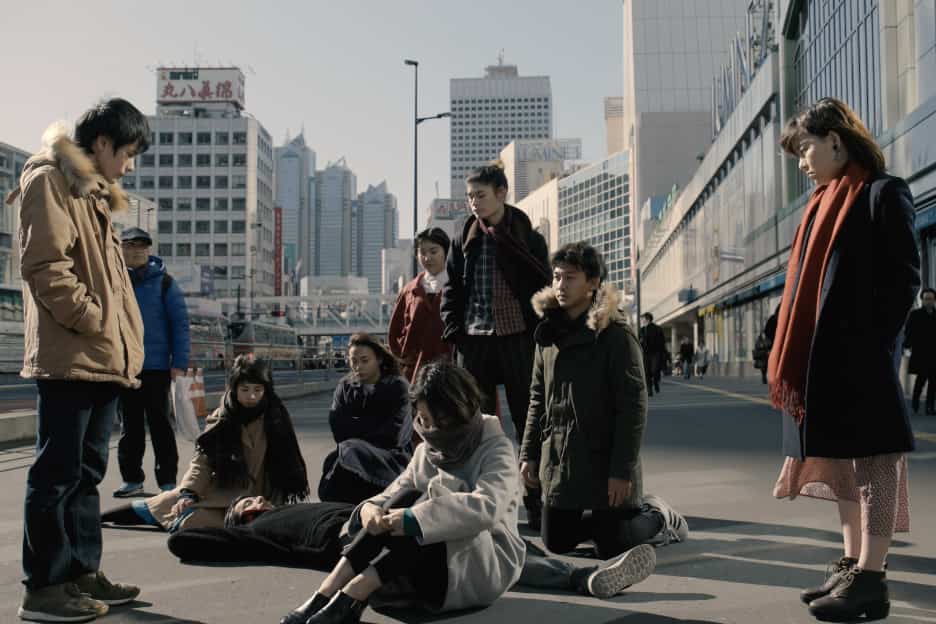
Meiro Koizumi, The Angels of Testimony, 2019
Interview
Breaking the Pattern
Meiro Koizumi interviewed by Tom Denman
Ironically, and sadly too, is very hard to show a lot of my work in Japan, which is why I have never shown The Angels of Testimony there. The taboos I am addressing in this work are too deeply ingrained.
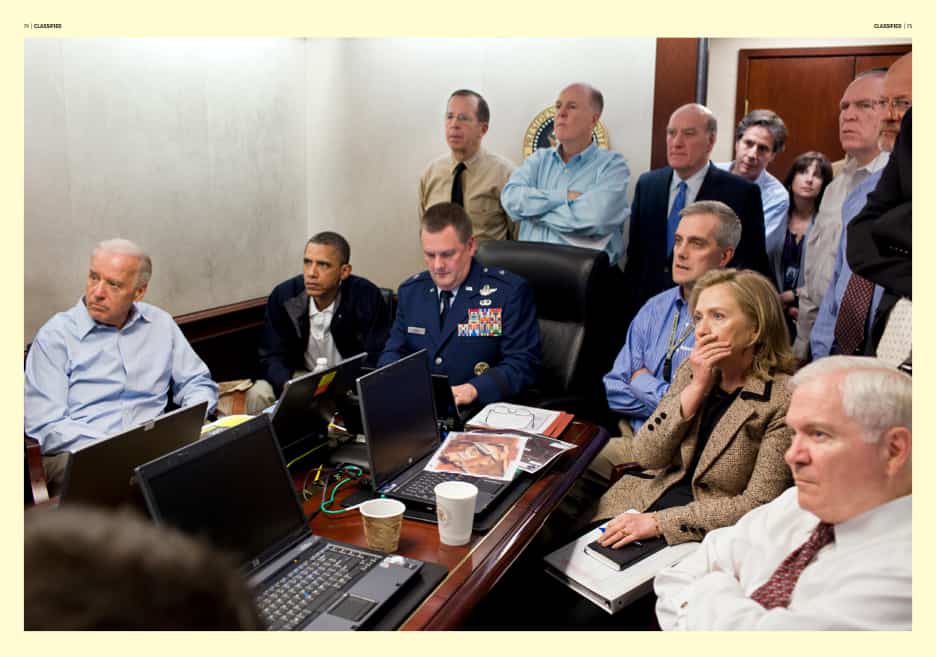
Situation Room, 2011, photo by Pete Souza, included in Edmund Clark and Crofton Black’s Cosmopolemos, 2026
Feature
On Truth Decay
Francis Frascina looks at the ways artists can combat the decay of truth in reportage and representation
Processes of monetised personal interiorisation symbolise the shift from what Frankfurt School theorists warned about the addictive ‘drug’ of corporate television in the 1950s and 1960s to contemporary algorithmic induced ‘doom scrolling’ – all fertile ground for truth decay.
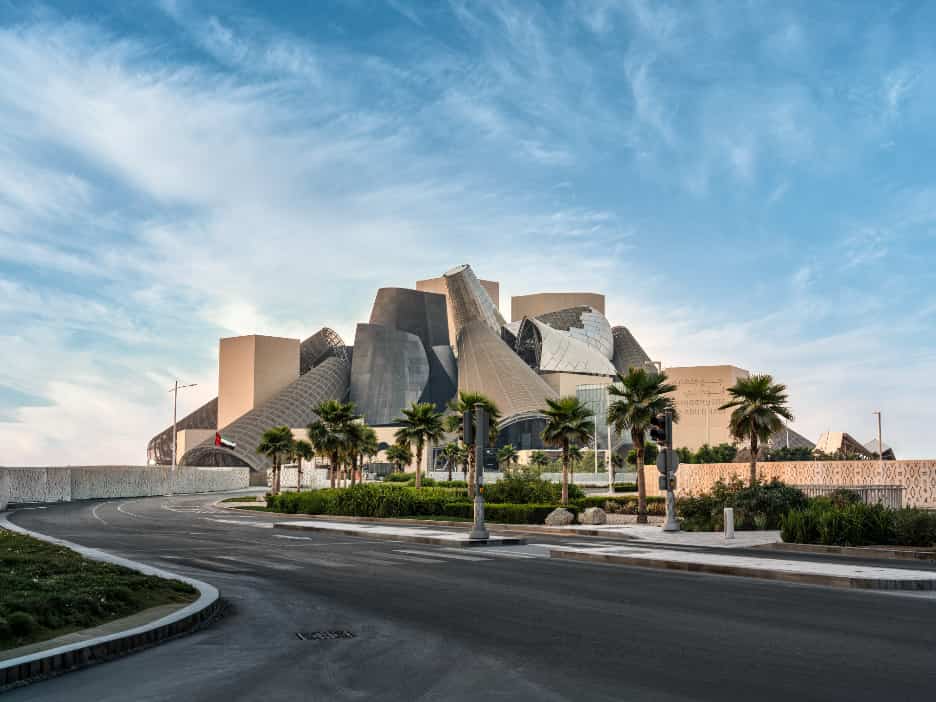
Guggenheim Abu Dhabi, Saadiyat Island, designed by Frank Gehry
Feature
Museums of Convenience
For Dan Rees, the maritime ‘flag of convenience’ system provides an apt metaphor for the expansion abroad of ‘flagship’ museum franchises
When experience becomes the primary value of the art encounter, the subject is increasingly encouraged to perceive themselves as an accumulator of experiences.
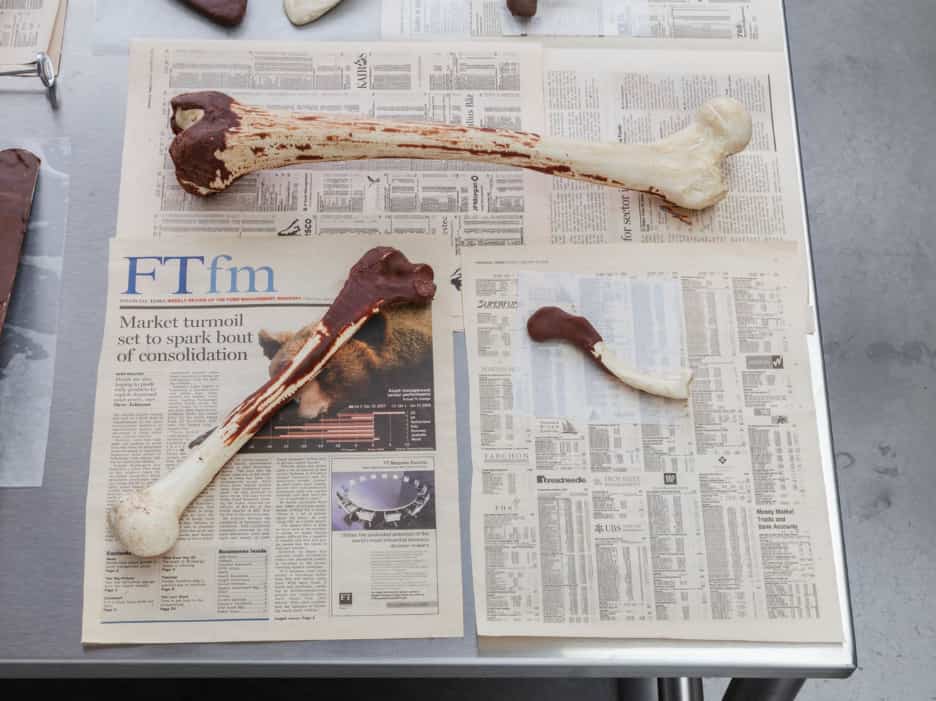
Minerva Cuevas, ‘Feast and Famine’, 2015
Feature
Art and Gore Capitalism
As Bob Dickinson points out, the seemingly unstoppable global reach of capitalism is causing social, economic and planetary catastrophe
Explicit examples addressing violence in the Mexican context would be Teresa Margolles’s ‘soft interventions’, 2012 and 2015, blood-stained pieces of cloth that had previously been used to clean up the results of narcoviolence in Mexico, which were then embroidered by the artist.
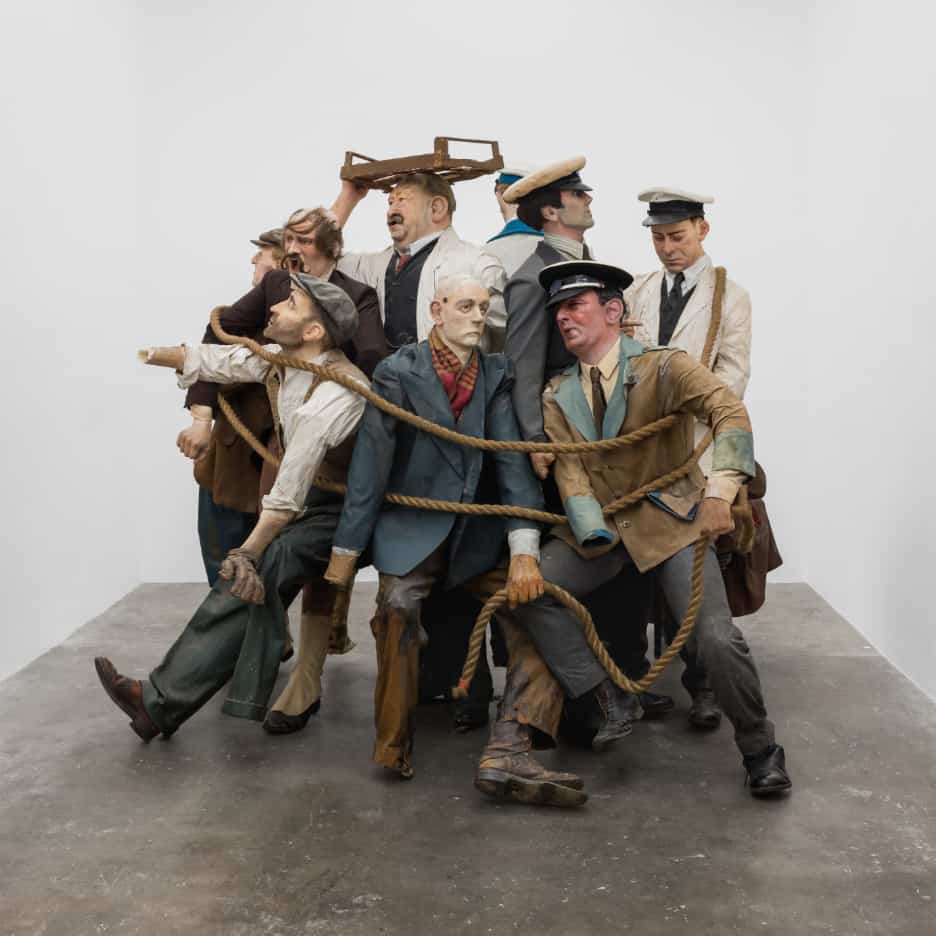
Alex Margo Arden, Accounts, 2025
Profile
Alex Margo Arden
Ivan Knapp
Alex Margo Arden’s most notable presentations reflect wider changes in the practices and politics of museums, which have been usurped by personal devices as the principal storage facility for the past: museums have changed from being places where pictures were held to places where pictures are taken.
Editorial
Making Your Number
While there are strong parallels between 2026 and 1976 – an oil crisis, massive government debt and the hottest summer on record – some persistent issues, such as artists struggling with accumulated student debt and the rising cost of living, spring from new political realities today.
It has always been our preference to look to the future as much as possible rather than to dwell on the past, while always being mindful of it. Nevertheless, it is hard to ignore some of the parallels between then and now.
50th Anniversary Special
Artist Pages
Janice Kerbel
39C (I’m still rather)
John Smith
Genocide is the New Normal
Alfredo Jaar
Tonight No Poetry Will Serve
Rosalind Nashashibi
Gaza Apollo
Isaac Julien
All That Changes You. Metamorphosis
Ed Atkins
Children
Artnotes
Artless Schools
Arts subjects continue to be squeezed out of the school curriculum; new PM Andy Burnham backtracks on his previous commitment to repatriate the Parthenon Marbles; a study on the impact of Brexit on the arts reveals a huge loss of income for both the UK and EU states; Northern Ireland’s political leaders rule out introducing an artists’ Basic Income scheme; the SNP extend commitments to increase arts funding and introduce an artists’ Basic Income scheme; the UK government appoints new creative freelance champions; an exiled Pussy Riot member reveals she was recruited by the FSB; a US ambassador makes a song and dance about removing Kehinde Wiley’s ‘woke’ commission; the Science Museum has ended its 25-year BP sponsorship; plus the latest on galleries and more.
50th Anniversary Special
Say What?
Fifty years of quotes of the month
Mr Beckmann, regarded as one of the greatest painters of this century, was born in 1884 and like all really great painters is now dead.
– Greater London and Essex Newspapers. AM42, 1978
He was doing research for a film. It’s not a crime; it’s artwork. He’s an intellectual.
– New York artist Joseph Gibbons, who received a one-year prison sentence for carrying out bank robberies as part of his practice, defended by his cellmate. AM388, 2015
Like every single serious artist working in Britain today, Ian McCulloch subscribes to the politics of disillusionment.
– Guardian. AM94, 1986
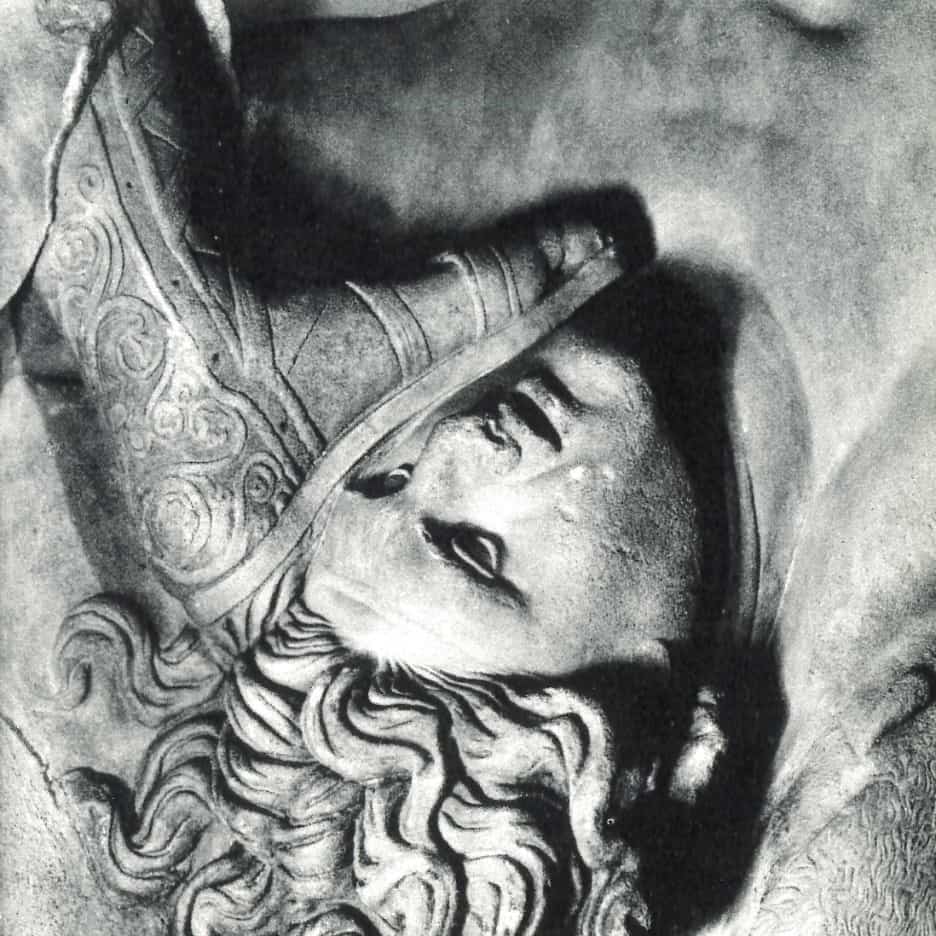
Elisabeth Rohde, from Pergamon Castle and Altar, 1976, ‘The Defeated: The Aesthetics of Resistance’
Exhibitions
Taring Padi: Rakyat Pasti Menang
Ibraaz, London
Sarah E James
Maren Karlson: LAG
Soft Opening, London
Michael Archer
Maren Hassinger: Living Moving Growing
BAMPFA, Berkeley
Ravi Ghosh
Isabel Nolan: some fundamental forces
Southwark Park Galleries, London
Marcus Verhagen
Living by the Rule: Contemporary meets Medieval
Sainsbury Centre, Norwich
Jonathan P Watts
Salon
Lismore Castle
Aengus Woods
The Defeated: The Aesthetics of Resistance
Bonniers Konsthall, Stockholm
Frida Sandström
Edinburgh Art Festival
various venues
Greg Thomas
Vienna Round-up
Galerie Krinzinger • VIN VIN • EXILE • Lombardi-Kargl • Galerie Kandlhofer • Crone Wien
Chris Clarke
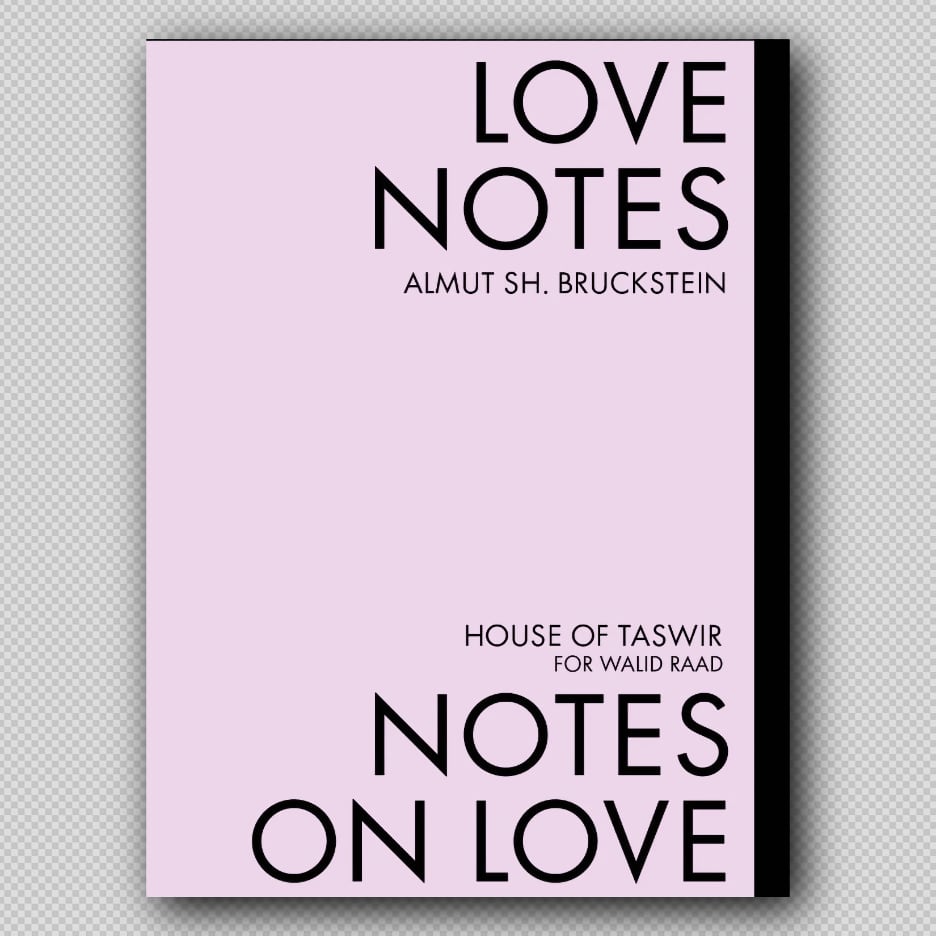
Love Notes | Notes on Love
Artists’ Books
Walid Raad / Almut Sh Bruckstein: Love Notes | Notes on Love
Rachel Pronger
This thick theoretical web and the shifting focus makes dense reading out of short passages, but Bruckstein – like Raad – clearly relishes a flight of fancy, and it’s when she reaches for her more fantastical images and metaphors that these dense texts shimmer into life.
Nicholas Muellner, ‘Love in a Time of Allegory’, 2026
Artists’ Books
Nicholas Muellner: Love in a Time of Allegory
Nicholas Gamso
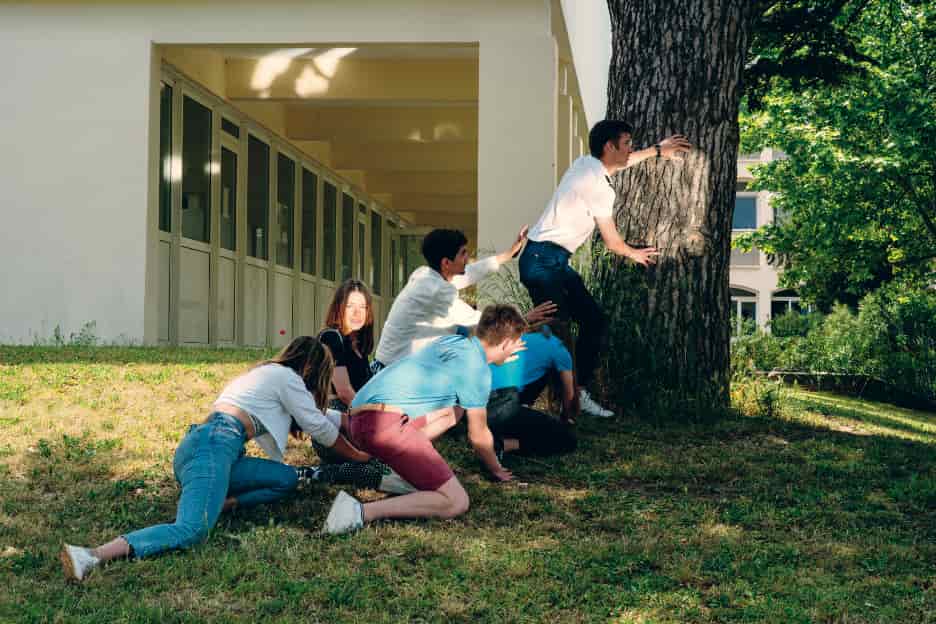
We are seeing more and more images every day, but we’re really looking at much less – less diversity of life, less formal invention, a uniformity of fashion and taste. However dull the images are by non-digital standards, they are algorithmically successful, in Muellner’s view, by acceding to a digital obsession with the ‘authenticity of self ’, which has become the defining ethos of our socially atomised era.
Anthony Shapland, Sleeper, 2026
Film
Anthony Shapland: murmur
Maria Walsh
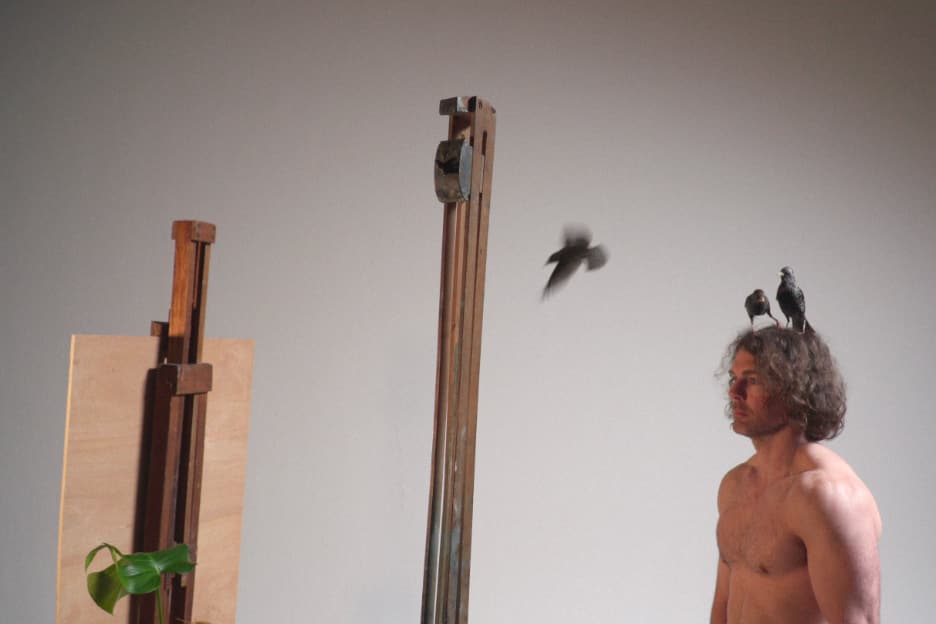
This is a tender act of looking and recomposing, which the starlings’ flitting about continually recalibrates, its measure coming to lie somewhere between threat and charm.
Mike Nelson, Triple Bluff Canyon, 2004, Modern Art Oxford
Reports
Remembering Mike Nelson’s Triple Bluff Canyon
Ellen Mara De Wachter
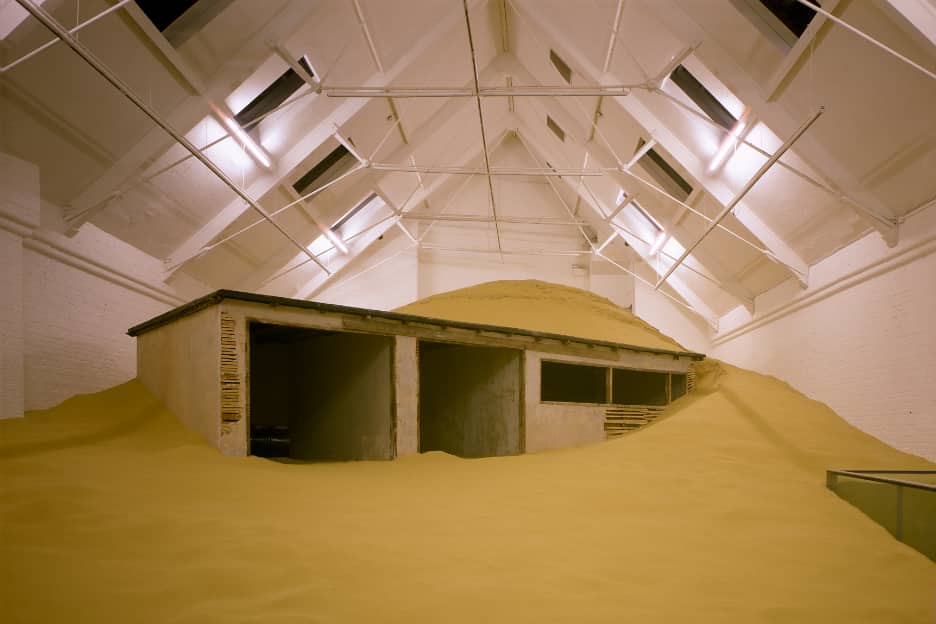
Imagining Triple Bluff Canyon 22 years later, I wonder how the sand has moved, how its materials have aged, who might have set up camp or passed through it, and what traces they left behind. Envisioning a world in which the exhibition was not deinstalled at the end of its run leads me to wonder how the entities connected to it might have fared over the years: the museum, the city, country, world.
John Ridge, Song Carrier, 2026
Reports
On Criticism
Peter Suchin
Some artists hold a mistaken belief about the self-sufficient nature of visual art and the artist’s sovereign right to express themselves through ‘visual language’, through which means, so it is implied, they may directly address the viewer. In this fanciful account, conventional language is irrelevant: criticism is regarded as extraneous, self-serving and parasitical.
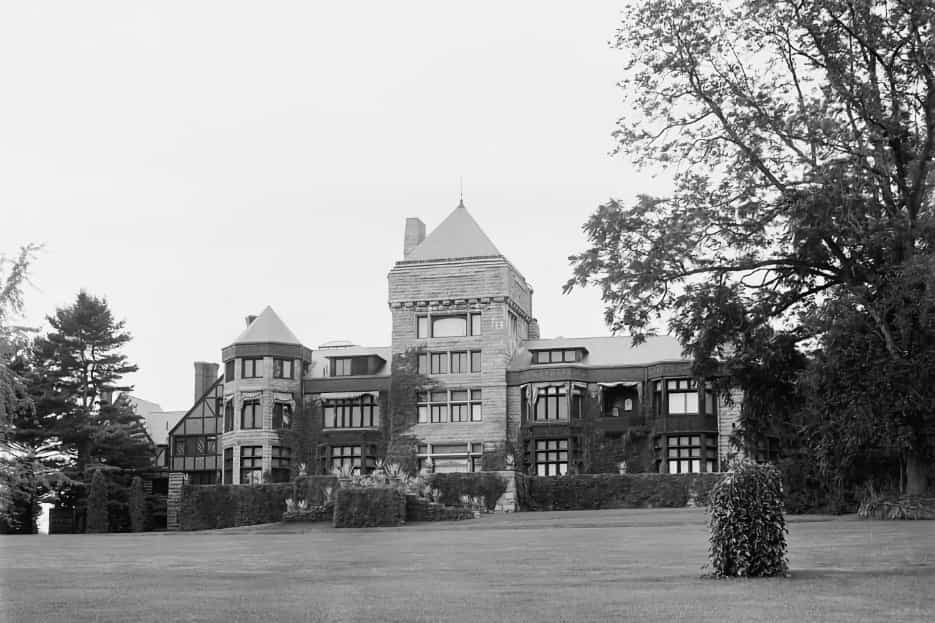
the mansion at Yaddo, c1905
Reports
On Residencies
Morgan Quaintance
These ‘convivial shared table’ occasions were at times so dispiriting that the famous line from Jean-Paul Sartre’s 1944 play No Exit came to mind: Hell was, indeed, other people.
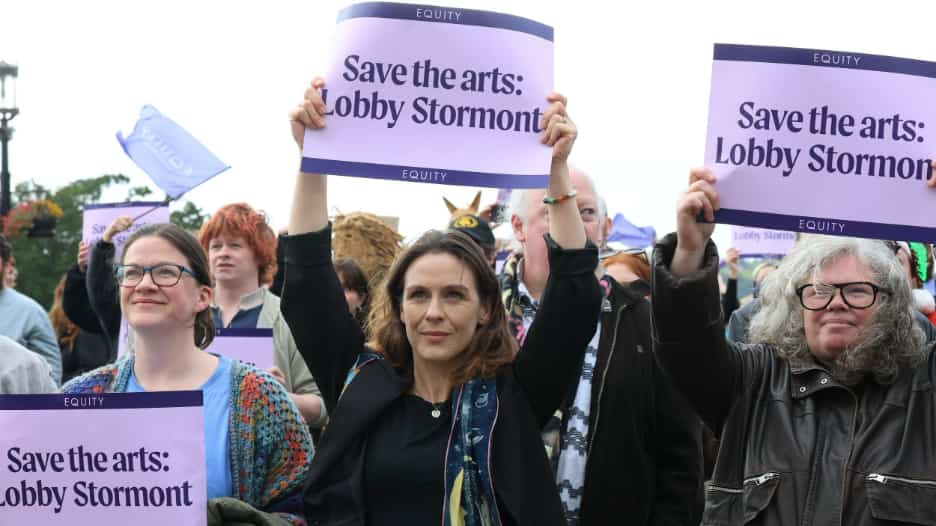
‘Save the Arts’ protesters outside Stormont, 8 September 2026
Reports
Deep Cuts – Finding New Alliances in the North of Ireland
Isobel Harbison
The figures are staggering. Arts funding per capita is £5.07 per person in the North of Ireland, compared with approximately £7 in Wales, just over £13 in England (advantaging London) and about £16 in Scotland. The Irish government outstrips them all by investing €30 – approximately £25.90 – per capita in art.
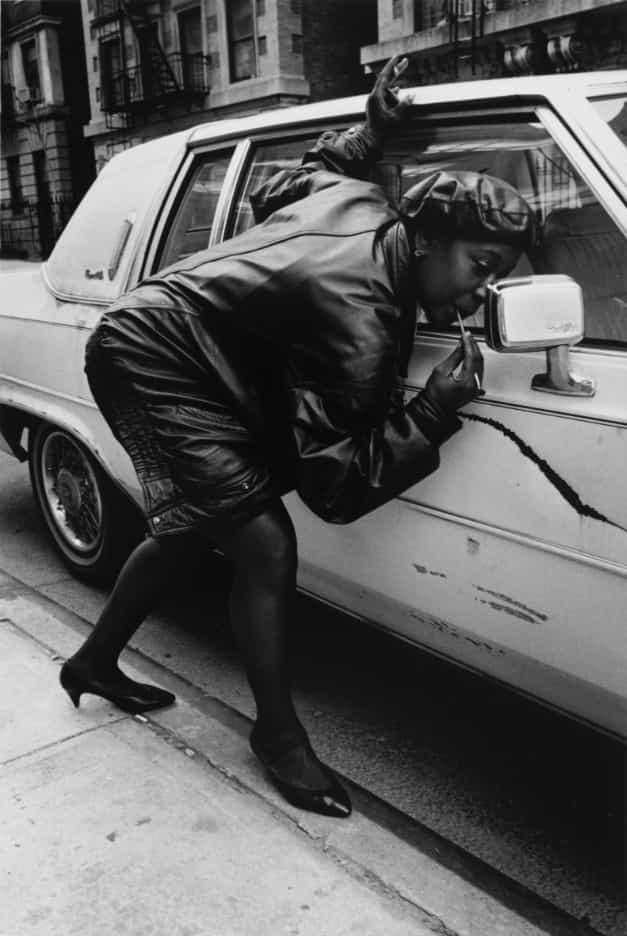
Martine Barrat, Love before going to the Rhythm Club, she would make sure her makeup was together, Harlem, 1996
Reports
Letter from Arles
Duncan Wheeler
A social chameleon, Martine Barrat danced alongside Andy Warhol in Manhattan and hung out with the Roman Kings and Queens in the Bronx. Her video installation chronicling the lives of multi-ethnic street gangs was shown at the Whitney Museum in 1978. In the film, we see members of the gangs assisting with the shoot and attending the opening at a time when cultural institutions in New York were highly segregated along class and racial lines.
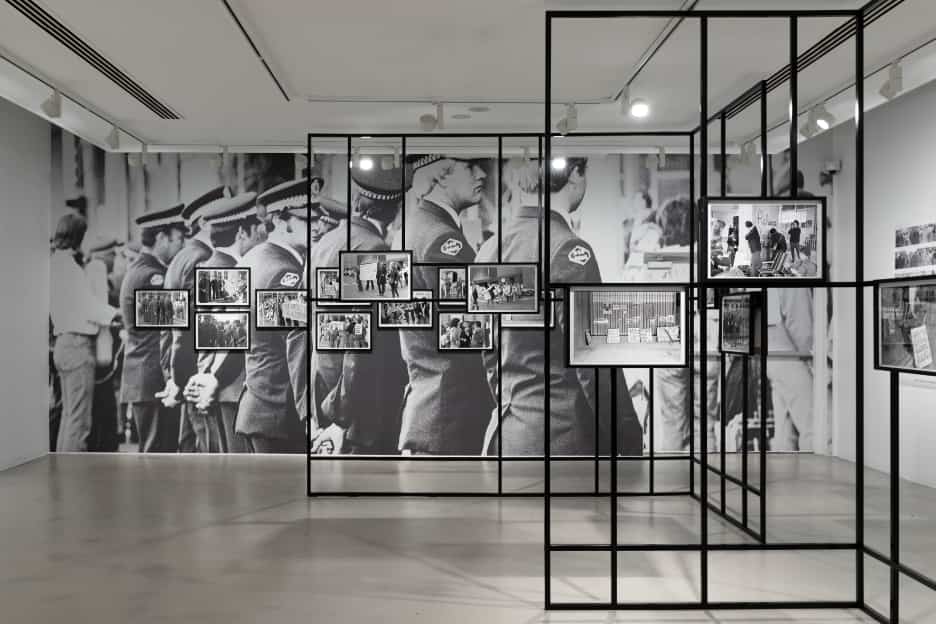
Helen Grace, ‘Justice for Violet and Bruce 1980/2022’, Sydney Biennale, 2026
Reports
Letter from Sydney
Stephanie Bailey
Reactions to this year’s Sydney Biennale in Australia’s mainstream press – ground zero of Rupert Murdoch’s media empire – reproduced patterns of discrimination routinely denied, trivialised or reframed in liberal language.
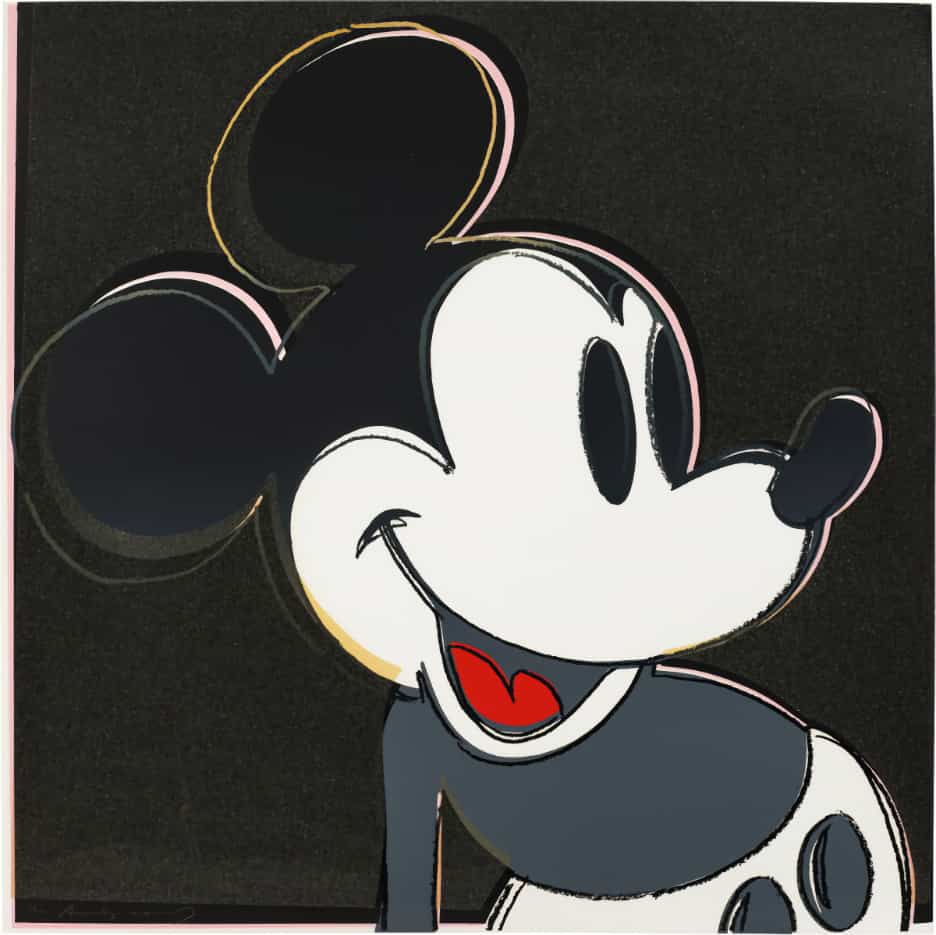
Andy Warhol, Mickey Mouse, 1980, screenprint, Sotheby’s 1 Oct sale estimate £150,000–200,000
Salesrooms
Retrospective
Colin Gleadell
This is when the bubble burst. In November 1989, Sotheby’s chairman John Marion had said that making estimates was like ‘shooting at moving targets’, and the May 1990 sales had the highest unsold rate for years. I counted 13 out of 20 Ed Ruschas, 12 out of 25 Jean-Michel Basquiats, 16 out of 33 Andy Warhols …
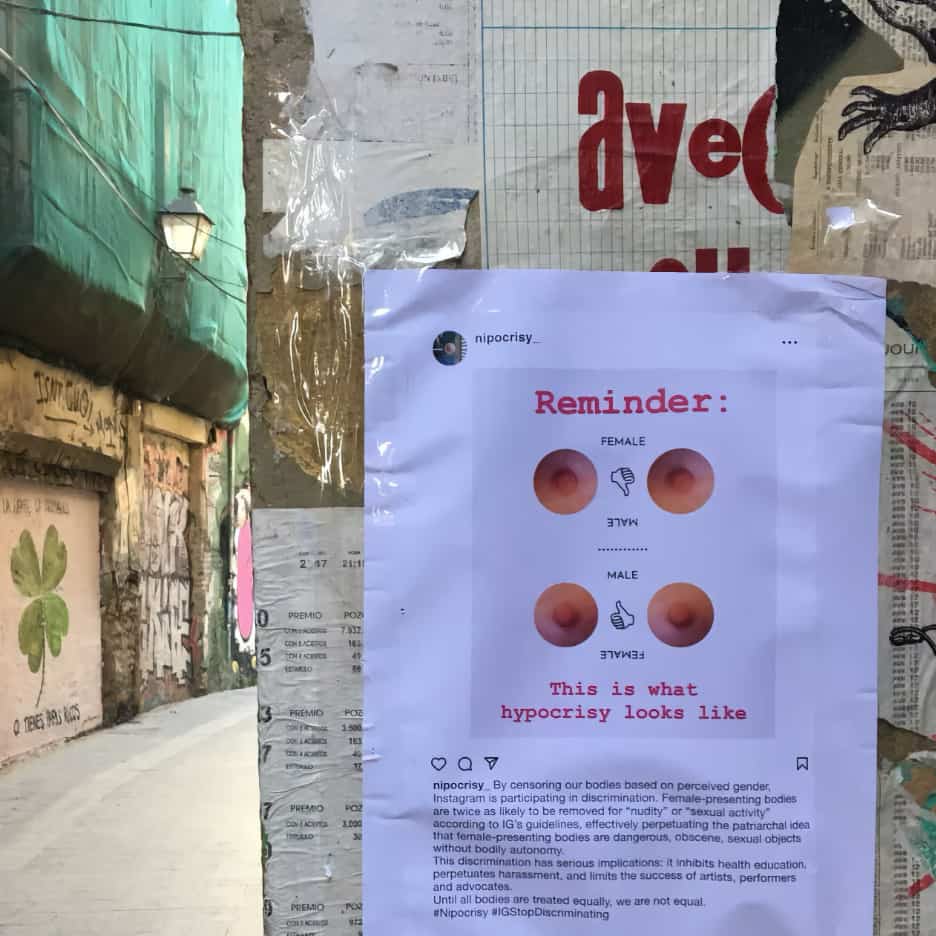
Emma Shapiro, Exposure Therapy, 2017–, campaign poster
Artlaw
Avant-Garde Lawyers
Henry Lydiate
The US artist Emma Shapiro has been advised and assisted throughout her complaint against Meta by a worldwide network of pro bono advocates, who specialise in supporting artists subjected to censorship or persecution: Avant-Garde Lawyers.








Peveril Garden Studios
140 Great Dover Street
London SE1 4GW
United Kingdom
Email info@artmonthly.co.uk